



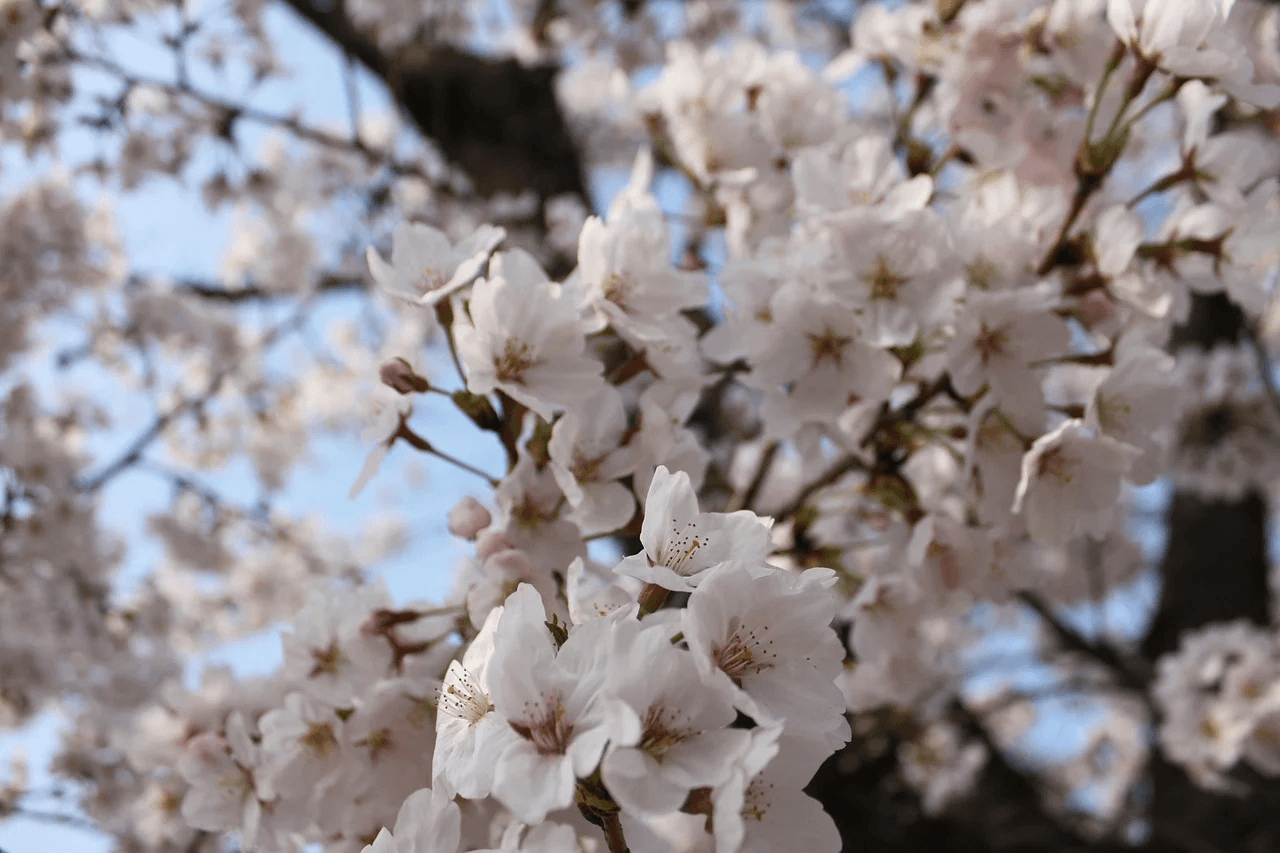

Millions of people worldwide pause to watch flowers bloom for only a few days each year. This brief natural event lies at the heart of a beloved Japan tradition that inspires travelers everywhere.
People often see hanami as a simple photo opportunity, but it means much more. This cultural practice invites us to slow down and appreciate the present moment.

Hanami (cherry blossom) tradition is far more than looking at trees. People new to this custom gather with friends and family beneath the blossoms. They share food, drinks, and laughter, turning a quiet walk into a lively community celebration.
As we explore this way of connecting with nature, we will uncover its history and etiquette. These traditions make hanami special for visitors overseas and people celebrating at home. You can embrace this beautiful practice overseas or find ways to celebrate it at home.
What Hanami Means in Everyday Japanese Life
For people living in the United States, hanami may be hard to understand. This tradition is more than a reason to go outside. It is woven into daily life and marks the change of seasons.

The meaning behind “hanami” and “sakura”
Hanami means “flower viewing.” It can describe any flowers, but people almost always connect it with sakura, or cherry blossoms. For Japanese people, these delicate petals show a deep connection with nature.
Why blooming cherry trees symbolize spring’s fleeting beauty
The most beautiful things in life often do not last. The blooming cherry trees remind us of this truth. Their blossoms stay on branches briefly, so they urge us to value each moment before it fades.
How cherry blossom viewing brings people together
Beyond reflection, cherry blossom viewing brings people together. Friends, families, and coworkers gather in parks to share food and talk beneath pink and white flowers. This shared experience builds community and captures the season’s spirit for everyone.
How the Hanami Tradition Developed in Japan
Studying hanami history shows how elite rituals became the lively community parties seen today. This change made nature appreciation a key part of Japan’s national identity.
Early flower-viewing customs before cherry blossoms became central
Before cherry trees became central, Japanese people admired plum blossoms instead. China introduced these flowers, which held deep spiritual meaning in early religious rites.
Farmers watched blooms to predict rice crop success. This early Japanese flower-viewing history focused less on parties and more on seeking blessings for a rich harvest.

How aristocratic gatherings shaped the tradition
During the Heian period, attention shifted to cherry blossoms. Imperial court members held elegant garden parties to admire the sakura’s brief beauty.
These gatherings included poetry, music, and refined conversation. During this period, the Japan tradition became linked to appreciating things that do not last.
How hanami became a community celebration for everyone
Over time, the custom left palace gates and entered ordinary citizens’ lives. By the Edo period, it had become a lively social event for people from every walk of life.
Commoners gathered under trees to share food and laughter. This change made an elite activity a shared cultural experience that defined spring across the country.
The influence of parks, public spaces, and modern travel
The rise of urban parks made these celebrations available to everyone. City planners created spaces for public enjoyment, helping establish the practice in modern life.
Better transportation helped people reach famous viewing spots. Today, we can easily visit iconic locations, so this cherished custom thrives in our fast-paced world.
The Hanami (cherry blossom) tradition and Its Cultural Meaning
People often see hanami as a simple picnic, but it holds a deep lesson about time. This japan tradition asks us to pause and notice the world around us. Gathering beneath the trees joins us to a ritual that has shaped Japan’s spirit for centuries.
Mono no aware and appreciating a short-lived season
At the heart of this practice is the concept of mono no aware. The phrase describes a gentle sadness at passing things, paired with deep appreciation for their beauty. Because the cherry blossom season is brief, it reminds us that life passes quickly.
This cherry blossom symbolism teaches us to value the present moment. We can find joy in the flowers’ brief beauty. The practice offers a lesson in mindfulness for everyone who joins.
Renewal, school years, and the start of Japan’s spring calendar
Beyond philosophy, the season marks a time for fresh starts. In Japan, spring begins with the school year and the fiscal year for many businesses. Blooming trees frame these new beginnings and changes.
Students often begin their academic journey beneath falling petals. This sight links the flowers with the excitement of starting something new. The whole society feels a shared sense of renewal.
Why hanami is both reflective and festive
You may wonder how a thoughtful practice can also become a lively party. The answer lies in our need for connection. Flowers show life’s short nature, while gatherings show the strength of our bonds.
Hanami balances quiet thought with shared laughter. Groups often enjoy food and music beneath the canopy. This balance makes the experience both grounding and joyful.
How the tradition connects nature with shared memory
Each picnic adds a unique thread to our lives. Family, classmates, and coworkers turn these moments into cherished memories. Nature provides a beautiful stage for the stories we share.
By returning to the same places each year, we build a history with the trees. This bond between nature and personal experience keeps the hanami tradition alive. It turns a simple park walk into a meaningful milestone.
When and Where Cherry Blossoms Bloom in Japan
Many people see spring bloom as one event, but it travels slowly from southern Japan to the north. This journey gives travelers a special chance to enjoy the season.
How the cherry blossom season moves across the country
The cherry blossom season often starts in warm southern areas, such as Okinawa, as early as January. The pink wave then moves north toward Tokyo, Kyoto, and finally Hokkaido.
If you miss peak bloom in one city, you may still see it at another latitude. This beautiful, rolling event marks spring’s arrival across the entire nation.
Why weather makes peak bloom dates difficult to predict
Nature does not follow a strict calendar, so the Japan cherry blossom forecast draws attention each year. Sudden warm spells or late cold snaps can make flowers open earlier or later than expected.
For this reason, keep your travel plans flexible. Even a few unusual weather days can shift peak bloom and make planning difficult.
Famous cherry blossom viewing locations in Tokyo, Kyoto, and Osaka
Major cities have famous spots for cherry blossom viewing, drawing visitors from around the world. In Tokyo, Ueno Park and Shinjuku Gyoen are known for huge displays of blooming cherry trees.
Kyoto offers a traditional setting, with the Philosopher’s Path beside a beautiful canal. Osaka Castle Park combines history with a popular flower-viewing experience.
Regional varieties, mountain blossoms, and later-season blooms
Beyond standard varieties, Japan has tree types that bloom at different times. Mountain areas often reach peak bloom later because of cooler elevations, extending the season beyond city blooms.
These late flowers let visitors enjoy the scenery with fewer crowds. Exploring these regions can improve your chances of seeing the blooming cherry trees in all their glory.
What We Actually Do During a Hanami Gathering
Cherry blossom viewing is a traditional spring outing. During it, we step away from busy schedules and enjoy nature’s fleeting beauty. With close friends or family, we focus on connection and joy.
Choosing a spot beneath the blooming trees
The first step is finding the right location. We often arrive at parks early in the morning to claim prime grass beneath blooming cherry trees. Many of us use blue plastic tarps to mark our territory, a recognizable symbol of the season.
Setting up a cherry blossom picnic with friends or family
Once we have our space, we set up a comfortable cherry blossom picnic. We bring portable cushions, blankets, and plenty of snacks to share. This cozy setting lets us relax for several hours as petals drift around us.
Sharing food, drinks, conversation, music, and photography
Our gatherings include laughter, good food, and long conversations. We take photos of the stunning pink canopy above us. Some bring a small speaker for soft music, while others listen to park sounds and groups enjoying cherry blossom viewing.
Daytime hanami and nighttime yozakura viewing
The experience changes with the time of day. In the afternoon, we enjoy the bright, cheerful energy of sunlight on the flowers. After sunset, we experience yozakura, or night viewing, with lanterns often lighting the trees and creating a magical, reflective mood.
Hanami Food, Drinks, and Picnic Customs
During the cherry blossom season, food becomes a central part of the celebration. A well-planned cherry blossom picnic lets us relax and enjoy blooming trees with friends and family.
Popular foods such as bento, onigiri, dango, and seasonal sweets
Traditional hanami food includes items that are easy to eat while sitting on a picnic blanket. We love packing a colorful bento box with bite-sized portions of seasonal vegetables, tamagoyaki, and grilled fish.
Onigiri, or rice balls, are filling and simple to handle. For dessert, we often bring dango, sweet rice flour dumplings, or seasonal wagashi sweets celebrating spring.
Why presentation and portable foods matter
In Japan, a meal’s visual appeal is as important as its taste. Arranging food in beautiful, compact containers makes outdoor dining feel more special.
Portable foods are essential because they need no heavy cutlery or complex serving setups. Easy-to-share items let us spend less time managing meals and more time enjoying the scenery.
Common drinks and responsible alcohol etiquette
Many people pair snacks with green tea or seasonal sodas. If we bring alcoholic drinks like beer or sake, we must drink moderately and stay mindful of others.
Public parks often have specific rules about alcohol consumption. We always check local guidelines so our gathering stays respectful and follows community standards.
What we should bring for comfort, cleanliness, and changing weather
Spring weather can be unpredictable, so we pack layers for falling temperatures. A waterproof picnic mat is a smart way to keep our gear dry and clean.
We also bring plenty of trash bags to pack out everything we bring in. Keeping the park clean is vital to the tradition and keeps the space beautiful for everyone.
Hanami Etiquette Americans Should Know
To enjoy the season like a local, learn polite park behavior. Good hanami etiquette helps everyone enjoy the trees’ fleeting beauty without stress. These simple customs show respect for the culture and environment.
Respecting reservations, boundaries, and shared public space
In many popular parks, blue tarps mark spots reserved for groups. Do not step on these areas or crowd them. Good public space etiquette means keeping belongings within a small area, leaving room for others.
Cleaning up every wrapper, container, and leftover
An important part of cherry blossom etiquette is leaving the park as we found it. Carry a trash bag for every wrapper, container, and food scrap. If public bins overflow, take your waste home and dispose of it properly.
Protecting branches, roots, flowers, and nearby wildlife
Perfect photos can tempt us to touch or pull delicate branches, but we must not. The trees are sensitive, and even small damage to roots or bark can harm their health for years. Responsible cherry blossom viewing means admiring flowers from afar and staying away from local wildlife.
Photography manners, noise levels, and nighttime consideration
When taking photos, avoid blocking paths or standing before other people’s picnic spots. Keep voices at a respectful volume, especially in the evening, when others relax. Awareness of our surroundings helps create a peaceful place for everyone enjoying the blossoms.
How Hanami Differs from American Cherry Blossom Events
Many people connect cherry blossoms with Japan, but U.S. celebrations often feel different. In Japan, people gather spontaneously and informally under the trees. By contrast, U.S. events often use structured public programs.
Community picnics versus organized sakura festivals
In Japan, friends or coworkers often claim a blue tarp for food and conversation. This casual outing creates a quiet, personal connection with nature. By contrast, a formal sakura festival in the U.S. usually has scheduled activities, designated stages, and crowds following specific paths.
The connection between Japan and Washington, D.C.’s cherry blossoms
Our most famous cherry blossom events began in 1912, when Tokyo gave Washington, D.C., thousands of trees. This historic gift created a lasting bond between the two nations. Today, the National Cherry Blossom Festival serves as a massive cultural bridge, drawing millions of visitors to the capital each spring.
“The cherry blossom is a reminder that life is beautiful and fleeting, a sentiment that transcends borders and brings us together in shared appreciation.” — Anonymous
What American cherry blossom events often add, including performances and vendors
Unlike an intimate Japanese park gathering, American cherry blossom events often add commercial and artistic elements. They may include food trucks, craft vendors, and live musical performances. These cherry blossom festivals turn flower viewing into a full-day community fair.
Why local celebrations can honor Japanese culture without copying every custom
We do not need to copy every Japanese custom to respect the tradition. By focusing on renewal and community, we can create meaningful local events. A sakura festival can celebrate spring while keeping its own unique local identity.
Where We Can Experience Cherry Blossom Season in the United States
Finding the perfect place to see cherry blossoms in the United States is easier than you may think. We have many beautiful locations that celebrate spring’s arrival with these iconic pink flowers.
Washington, D.C., and the National Cherry Blossom Festival
The nation’s capital is the most famous destination for this experience. The National Cherry Blossom Festival draws millions of visitors to see trees Japan gifted in 1912.
Walking around the Tidal Basin during peak bloom is a bucket-list experience for many people. Nearby monuments create a stunning backdrop for the delicate petals.
Brooklyn Botanic Garden, Seattle, and other notable viewing spots
On the East Coast, Brooklyn Botanic Garden offers a peaceful place to enjoy the blooms. The garden’s collection includes several varieties that create a breathtaking tunnel of color.
On the West Coast, Seattle is another fantastic place to experience cherry blossom season. The University of Washington campus is particularly well-known for its historic trees that line the main quad.
How to find local cherry blossom festivals and cherry blossom events
You do not need to visit a major city to enjoy these flowers. Many smaller towns host local cherry blossom festivals to mark the changing seasons.
Check your city’s parks department website or local community calendars. These resources often list upcoming cherry blossom events that suit a weekend outing.
Checking bloom forecasts, transit details, accessibility, and crowd conditions
Planning ahead is essential for a smooth visit. We check online bloom forecasts so we arrive during the peak window. The flowers are sensitive to temperature changes.
Public transit is often the best way to reach popular sites because parking can be extremely limited. We also suggest visiting early to avoid the largest crowds and enjoy a more peaceful atmosphere.
Before leaving, check the official website of the park or sakura festival for accessibility information. Being prepared helps us focus on the trees’ beauty instead of trip logistics.
How to Enjoy a Respectful Hanami-Inspired Visit
A thoughtful plan can make a spring outing more meaningful and show respect for Japanese culture. Planning a respectful hanami visit before arrival helps protect the park, its visitors, and the season’s beauty.
Planning the timing, group size, food, and transportation
Check local park updates often to catch peak bloom, because weather can change the schedule quickly. A small group finds space more easily and avoids crowding other visitors.
For our cherry blossom picnic, choose portable foods that people can share easily. Public transportation or bikes reduce traffic and parking stress, making arrival smoother.
Bringing picnic supplies while reducing waste
A sustainable picnic shows appreciation for nature. Pack reusable containers, cloth napkins, and metal utensils instead of single-use plastics. Bring a separate trash bag so we leave no trace when we leave.
Joining a Japanese cultural event with curiosity and respect
Many cities host cherry blossom events that celebrate Japanese heritage. We should attend with curiosity and respect, seeking to learn about the traditions. Talking with local organizers or joining workshops can deepen our experience.
Simple ways to focus on connection instead of staged photos
Social media can make us chase the perfect photo. Putting away the camera helps us connect with friends and the scenery. We can enjoy conversation and the petals’ brief beauty instead of staring at screens.
Conclusion
The Hanami (cherry blossom) tradition invites us to pause and value life’s fleeting nature. Gathering beneath blooming trees creates a special bond among friends and family.
Practicing respectful hanami keeps these natural spaces clean and welcoming for everyone. We protect the environment by packing out our trash and handling delicate branches with care.
Cherry blossom viewing feels more meaningful when we approach it with curiosity. Whether we visit the Tidal Basin in Washington, D.C., or a local park, we carry this Japanese custom’s spirit with us.
We invite you to plan your own outing this season. Bring a blanket, pack simple snacks, and enjoy the quiet beauty of the petals. Your presence adds to the vibrant community that celebrates spring’s arrival each year.
FAQ
What exactly is hanami and why is it so important?
At its heart, hanami is the Japanese tradition of viewing cherry blossoms. It helps us pause and appreciate “mono no aware,” the bittersweet beauty of things that do not last forever. Since cherry blossom season lasts only a week or two, we gather beneath blooming trees to celebrate spring and a new calendar year with loved ones.
When is the best time for us to plan a cherry blossom viewing trip?
Timing matters, but it is also a guessing game. In Japan, cherry blossom season usually moves south to north between late March and early May. In America, late March brings Washington, D.C.’s National Cherry Blossom Festival; mid-April brings New York’s Brooklyn Botanic Garden blooms.
What should we pack for a traditional cherry blossom picnic?
We recommend a waterproof picnic mat, plenty of napkins, and portable foods that are easy to share. Traditional snacks include hanami dango (pink, white, and green rice dumplings), bento boxes, and onigiri. Near Japanese markets like Mitsuwa Marketplace or Marukai, find seasonal treats for a more authentic cherry blossom picnic.
Are there specific etiquette rules we should follow during hanami?
Definitely. The most important rule is “look but don’t touch.” Never shake branches, pick flowers, or climb blooming cherry trees because they are delicate. Pack out all trash to keep parks beautiful, and keep noise respectful during cherry blossom festivals.
What is “yozakura” and how does it change the experience?
Yozakura literally means “night sakura.” Famous spots, like Tokyo’s Ueno Park and some U.S. events, light trees with paper lanterns or spotlights after dark. It turns a bright, cheerful picnic into something mystical and romantic, while helping you avoid peak daytime crowds.
How do American cherry blossom festivals differ from the gatherings in Japan?
In Japan, the tradition often centers on sitting on a tarp with friends and coworkers. In America, these become larger events with stage performances, martial arts demonstrations, and Japanese craft vendors. The Seattle Cherry Blossom & Japanese Cultural Festival and Subaru Cherry Blossom Festival in Philadelphia offer traditional viewing and cultural celebration.
How can we stay updated on when the trees will actually bloom?
We watch “cherry blossom forecasts” starting in February. The National Park Service tracks D.C. blossoms; the Japan Meteorological Corporation updates “kaika” (first bloom) and “mankai” (full bloom). Because weather can change everything, we stay flexible until about a week before the predicted dates.