



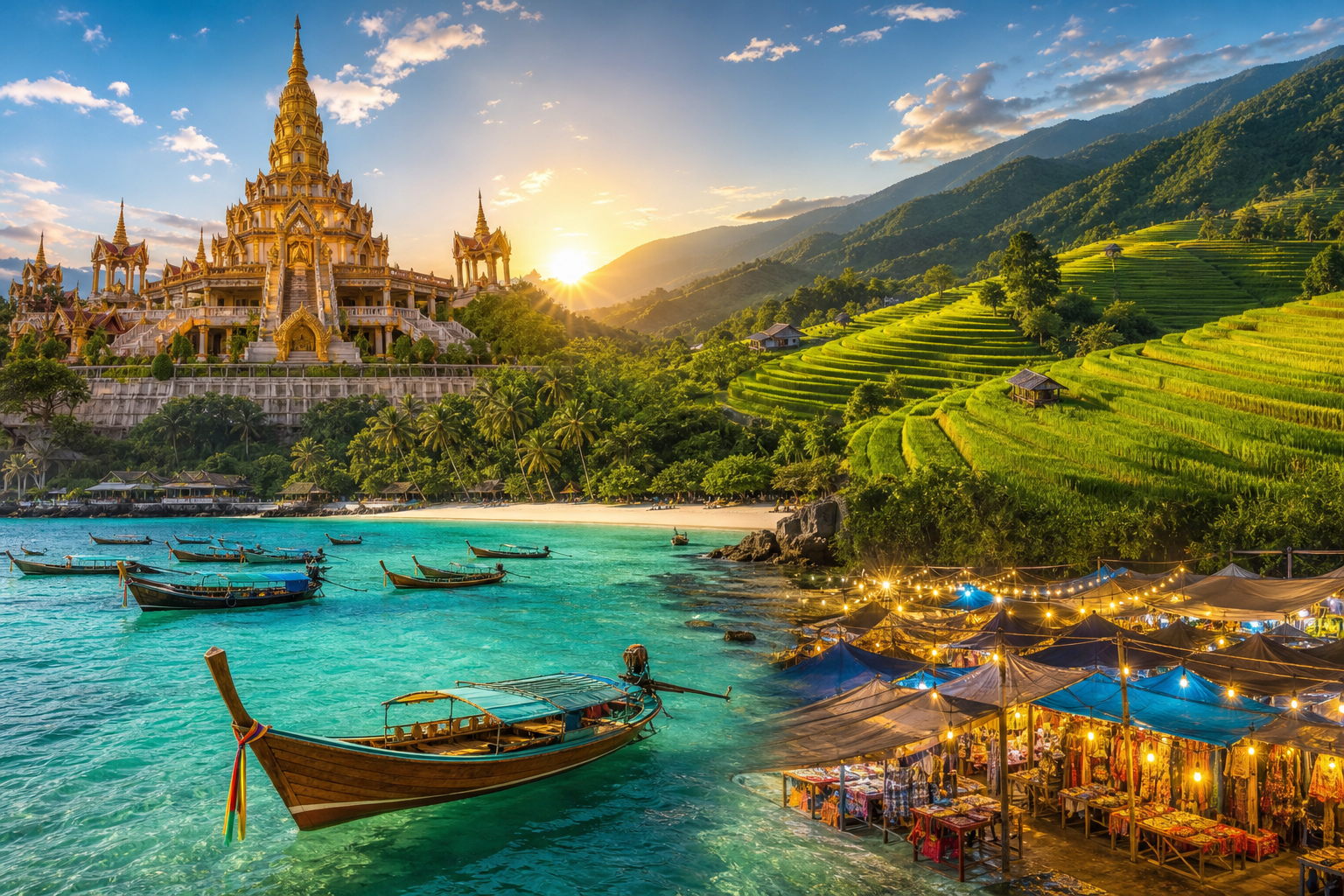

The warm air hits you first, thick and sweet, the moment you step outside the airport. Then come the details: incense curling from a roadside spirit house, saffron robes passing behind a tuk-tuk, temple bells ringing somewhere you can’t see. By evening, the sky over the Chao Phraya River turns pink and gold, and you start to understand why so many travelers say Thailand gets under your skin.
But first-timers often learn something the hard way: the best time to visit Thailand isn’t one date on the calendar. The same December week that brings perfect beach weather to Phuket can bring heavy rain to Koh Samui. The cool, clear mornings that make Chiang Mai magical in winter can turn into smoky skies by March. Pick the right moment, and you’ll float a candlelit krathong under a full moon or laugh through a Songkran water fight. Pick the wrong one, and you may spend your vacation watching the rain.
This guide goes through Thailand’s seasons region by region, with nine practical tips to help you choose the right window for weather, crowds, and the kind of authentic experiences you’ll remember for years.
Quick answer: The best time to visit Thailand is November to February, the cool, dry season, when Bangkok and the north have sunny days and lower humidity. Phuket and the Andaman coast are at their best from December to March, while Koh Samui is a better bet from February to August. For lower prices and fewer crowds, consider the green season from June to October 5.
Best Time to Visit Thailand at a Glance
Thailand is popular all year. The country welcomed nearly 33 million international visitors in 2025 1, including about 1.5 million from the Americas 4. January was the busiest month, with roughly 3.7 million arrivals 3. Choosing your dates carefully can save you money and lead you to quieter corners of the country.
| If you want… | Go in… | Why it works |
|---|---|---|
| Classic sunny sightseeing | November–February | Cool, dry season across most of the country |
| Andaman beaches (Phuket, Krabi) | December–March | The least rain and calmer seas |
| Gulf islands (Koh Samui, Koh Phangan, Koh Tao) | February–August | Drier while the monsoon hits the Andaman coast |
| Northern Thailand (Chiang Mai, Chiang Rai) | November–January | Clear skies and cool nights before the smoky season |
| The lowest prices | June–October | Green-season discounts and fewer tourists |
| Songkran water festival | April 13–15 | Thai New Year celebrations nationwide |
| Loy Krathong and Yi Peng | November (November 24–25 in 2026) | Candlelit floats and lanterns under the full moon |
| Lush rice fields and waterfalls | July–October | Monsoon rains turn the countryside green |
Seasonal patterns: Climates to Travel 5. Festival dates: 1.
Understanding Thailand’s Three Seasons
Thailand has a tropical climate with three main seasons: a cool, dry season from November to February, a very hot season from March to mid-May, and a rainy season brought by the southwest monsoon from mid-May to October 5. The southern peninsula has its own pattern, which is why timing by region matters so much (more on that in Tip 1). The good news is that the sea is warm enough for swimming all year 5.
Cool Season (November–February): Peak Weather, Peak Crowds
This is Thailand’s postcard season. Skies are clear, humidity drops, and evenings are pleasant. In the north, nights in December and January can drop to around 57–59°F, so pack a light jacket for Chiang Mai 5. “Cool” is relative, though: Bangkok still reaches about 90°F even in December 5. This is also high season, so expect the biggest crowds and highest prices around Christmas, New Year’s, and Chinese New Year.
Hot Season (March–May): Heat, Haze, and Songkran
April is the hottest month. Bangkok averages highs of around 97°F, and the northern plains can reach 97–100°F, with peaks above 104°F 5. Smoke from farm burning often hangs over the north in March and April (see Tip 5). The upside: Songkran, Thailand’s New Year water festival, arrives in mid-April, and the Gulf islands get some of their sunniest weather of the year 5.
Rainy Season (June–October): Green, Quiet, and Budget-Friendly
The monsoon turns the rice fields bright green and fills the waterfalls. Rain often comes in heavy bursts rather than all day, though some days stay gray and wet.
- Bangkok: the wettest months are May, September, and October 5.
- Andaman coast: seas can get rough enough to make island boat trips difficult 5.
- Gulf coast: usually comfortable in July and August 5.
- Typhoons: possible from June to December, most often from September to November. Thailand is hit less hard than neighbors like the Philippines and Vietnam 5.
Thailand Weather by Month: Four Destinations Compared
Average daily high and monthly rainfall in four of Thailand’s most-visited destinations:
| Month | Bangkok | Chiang Mai | Phuket | Koh Samui |
|---|---|---|---|---|
| January | 91°F · 0.6 in | 86°F · 0.4 in | 91°F · 1.4 in | 84°F · 4.9 in |
| February | 93°F · 0.8 in | 91°F · 0.4 in | 93°F · 1.6 in | 84°F · 2.6 in |
| March | 95°F · 1.6 in | 95°F · 0.8 in | 93°F · 3.0 in | 86°F · 4.5 in |
| April | 97°F · 3.5 in | 99°F · 2.2 in | 93°F · 4.9 in | 90°F · 3.3 in |
| May | 95°F · 9.8 in | 95°F · 6.1 in | 91°F · 11.6 in | 91°F · 5.1 in |
| June | 93°F · 6.1 in | 91°F · 4.5 in | 90°F · 10.4 in | 91°F · 5.3 in |
| July | 93°F · 6.9 in | 90°F · 6.1 in | 90°F · 8.5 in | 90°F · 4.5 in |
| August | 91°F · 8.7 in | 90°F · 8.9 in | 90°F · 9.6 in | 90°F · 3.9 in |
| September | 91°F · 13.2 in | 90°F · 7.9 in | 88°F · 12.8 in | 90°F · 4.7 in |
| October | 91°F · 11.4 in | 90°F · 4.7 in | 90°F · 12.4 in | 88°F · 11.6 in |
| November | 91°F · 2.0 in | 88°F · 2.0 in | 90°F · 7.7 in | 86°F · 17.5 in |
| December | 90°F · 0.2 in | 84°F · 0.8 in | 90°F · 3.1 in | 84°F · 10.4 in |
Data: long-term climate averages from Climates to Travel 5.
Notice how the two coasts swap. Koh Samui gets its heaviest rain from October to December, peaking at about 17.5 inches in November, just as Phuket is drying out 5.
9 Tips for Choosing the Best Time to Visit Thailand
Tip 1: Match Your Dates to the Region, Not the Country
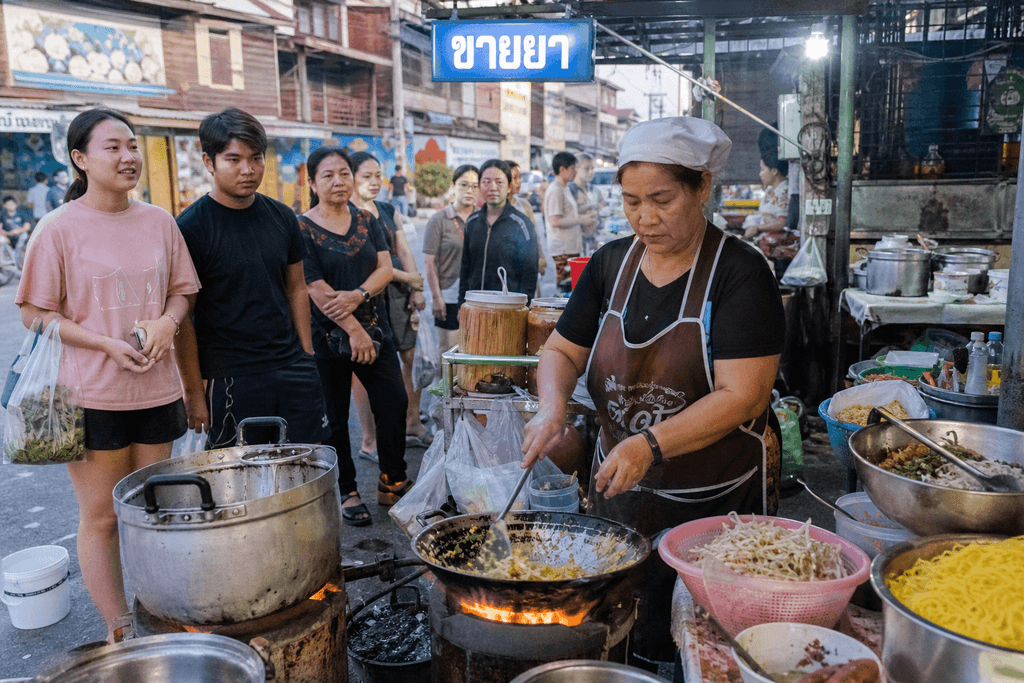
Thailand stretches more than 1,000 miles from north to south, and the weather changes along the way. Plan around the places you want to see.
Bangkok and Central Thailand
The best time for Bangkok is December to mid-February, when it’s least hot and outside the rainy season 5. The capital still works well during the monsoon: temples, museums, river cruises, and markets carry on between showers. Streets can flood briefly after a downpour.
Northern Thailand (Chiang Mai, Chiang Rai, Pai)
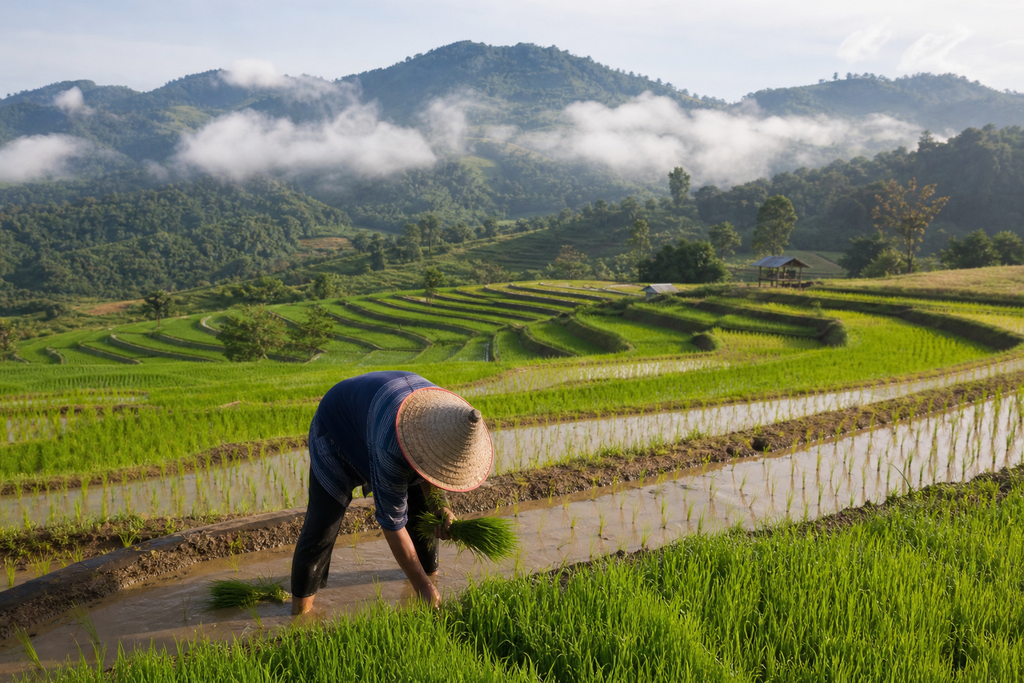
December and January are the sweet spot in the north 5, with sunny days, cool nights, and clear mountain views. By February the heat starts building, and the smoky season follows (see Tip 5). The rainy months bring lush rice terraces but muddy trekking trails.
Andaman Coast (Phuket, Krabi, Koh Lanta, Phi Phi Islands)
Aim for late December through March. In Phuket, rainfall is below 4 inches a month from December to March. April brings more pre-monsoon showers. From May to October, the southwest monsoon hits this coast directly, with heavy rain and rough seas 5. Always respect red flags on the beach.
Gulf of Thailand Islands (Koh Samui, Koh Phangan, Koh Tao)
These islands follow the opposite schedule. The retreating monsoon brings heavy, sometimes torrential rain from October to December. The best time is late January to April. July and August are usually comfortable too, which is why summer is high season on this coast 5.
Tip 2: Book Early If You Want the Cool Season
The cool season is Thailand’s high season, and the best-value rooms go fast. If you’re traveling between mid-December and January, book flights and hotels three to six months ahead. Book even earlier for Christmas, New Year’s, or Chinese New Year (February 6 in 2027). Island ferries and boutique hotels sell out too.
Want cool-season weather with smaller crowds? Look at the edges of the season. Early November works well for Bangkok and the north, and late February is a good choice for the beaches.
Tip 3: Save Money in the Green Season (the Cheapest Time to Visit Thailand)
Thailand’s tourism industry calls the rainy months the “green season,” and it’s the cheapest time to visit. Hotel rates drop, popular sights are calmer, and the countryside looks its best.
To make the most of it:
- Choose the right coast. Koh Samui, Koh Phangan, and Koh Tao usually stay comfortable in July and August 5.
- Mix indoor and outdoor plans. Bangkok’s museums, malls, and temples make rainy afternoons easy.
- Stay flexible. Add buffer days to island-hopping plans in case boats are canceled.
- Avoid the wettest weeks. September and October are Bangkok’s rainiest months, and the Gulf islands get soaked from October to December 5.
Tip 4: Respect the Heat from March to May
Thailand’s hot season is no joke, especially in April.
- Start early. Visit temples in the morning; Bangkok’s Grand Palace opens at 8:30 a.m.
- Slow down at midday. Spend the hottest hours in air-conditioned museums or over a long lunch.
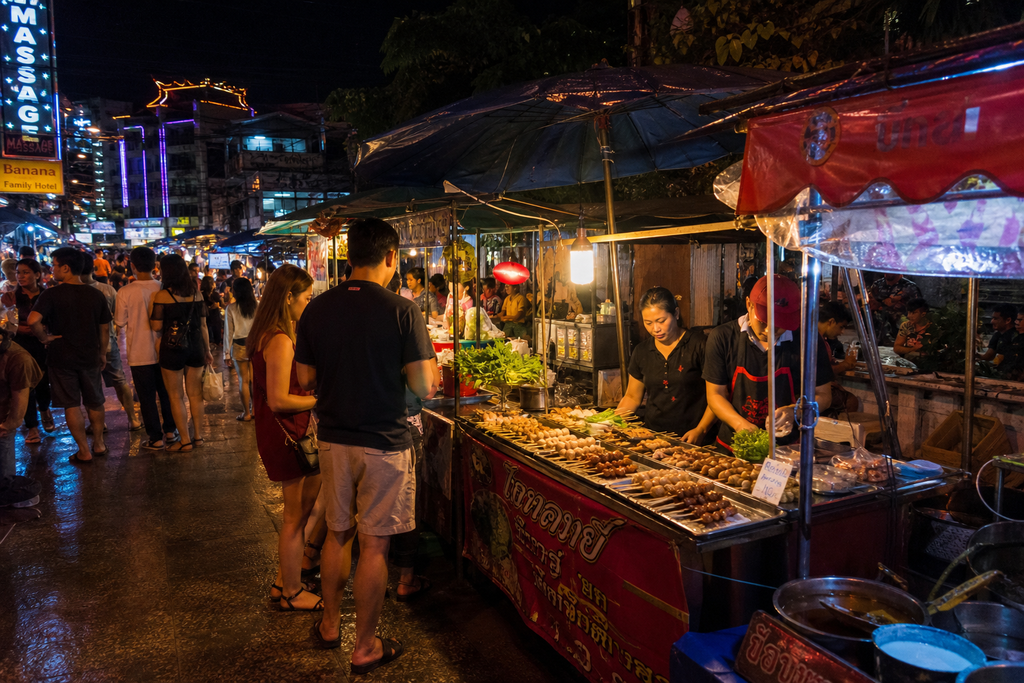
- Go out again at night. Head to the night markets after sunset.
- Dress for heat and temples. Pack breathable clothes that still cover your shoulders and knees.
- Take the sun seriously. Carry water everywhere.
On the plus side, crowds thin out after the cool season and prices start to drop, except around Songkran.
Tip 5: Check the Air Quality Before Heading North in Spring
Northern Thailand has a “burning season,” when farmers burn crop residue and smoke settles over the valleys 5. February through April is the riskiest window, and March and April are usually the worst 1. NASA notes that fire activity typically peaks in March and fades by May as the rains return 5.
It can get serious. On April 7, 2026, a Thai government report recorded a PM2.5 reading of 314.3 micrograms per cubic meter in Chiang Mai. That is more than eight times Thailand’s 24-hour standard of 37.5 1.
If you’re visiting the north in spring:
- Check live readings on Air4Thai or IQAir before and during your trip
- Pack N95 masks
- Choose hotels with air purifiers
- Or go to the islands instead until the air clears
Tip 6: Plan Around Songkran and Loy Krathong
Thailand’s two most famous festivals can be the highlight of your trip if you plan ahead.
Songkran: Thai New Year (April 13–15)
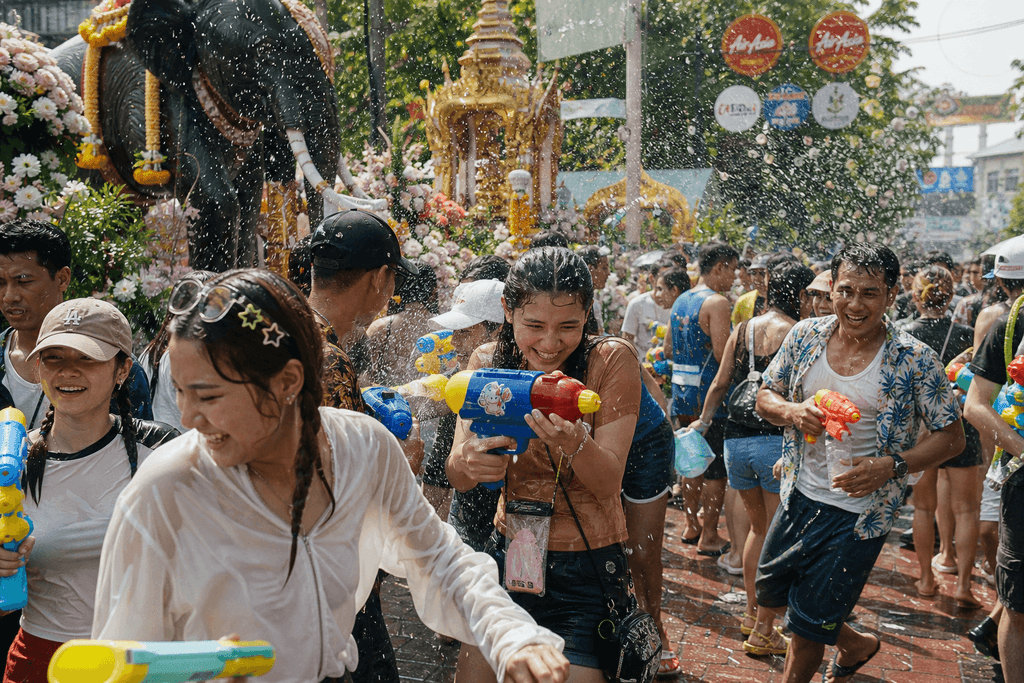
Songkran is the country’s biggest party, but its roots are gentle. Families pour scented water over Buddha images and over the hands of elders to ask for blessings. Today it’s also a nationwide water fight. The biggest ones happen on Bangkok’s Silom Road and Khao San Road and around the moat in Chiang Mai’s Old City.
For a more authentic experience, visit a neighborhood temple in the morning to watch merit-making and the building of sand chedis (small sand stupas). Expect to get soaked, so pack a waterproof phone pouch. Book transport early, because millions of Thais travel home for the holiday.
Loy Krathong and Yi Peng (November 24–25, 2026)
Loy Krathong falls on the full moon of the 12th Thai lunar month, which is Tuesday, November 24, in 2026. Thais float krathongs, small banana-leaf rafts carrying a candle, incense, and a wish, on rivers, canals, and ponds 1. For US travelers, it falls just two days before Thanksgiving.
Where to celebrate:
- Sukhothai: a ten-night festival from November 15 to 24, 2026, in Sukhothai Historical Park 1
- Chiang Mai: Loy Krathong combines with Yi Peng, the Lanna sky-lantern festival, on November 24–25, 2026 5
- Bangkok: riverside parks and piers along the Chao Phraya
Know before you go:
- Lantern events: ticketed mass releases at Doi Saket and Mae Jo cost about 4,000–15,000 baht. Free celebrations fill Tha Phae Gate, the Ping River, and the temples 2.
- Rules and flights: releasing lanterns outside authorized zones can bring fines, and Chiang Mai airport adjusts or cancels flights on festival nights 5.
- Hotels: rates in Chiang Mai’s Old City can roughly double 4, so book months ahead.
- Krathongs: choose a biodegradable one made from banana trunk and leaves, not foam.
Tip 7: Time Your Trip to Thailand’s Buddhist Calendar
More than 90% of Thais are Buddhist, and the lunar calendar shapes daily life. On major holy days such as Makha Bucha (February or March), Visakha Bucha (May or June), and Asalha Bucha (July), locals walk three times around temple halls carrying candles, flowers, and incense. This ceremony is called wian tian, and visitors are welcome to watch or join respectfully.
A few things to know:
- Khao Phansa (July) marks the start of the three-month Buddhist Lent. Ubon Ratchathani celebrates with its famous Candle Festival of giant wax sculptures.
- Ok Phansa (October) ends Lent. In Nong Khai, crowds gather along the Mekong to watch for the mysterious “Naga fireballs.”
- Alcohol sales are banned nationwide on major Buddhist holidays, and some bars close.
- Dress modestly at temples and take off your shoes before entering temple buildings 5.
Dates follow the lunar calendar, so check the Tourism Authority of Thailand’s events calendar before you book.
Tip 8: Dodge the Crowds with Smarter Timing
The biggest crowds come from mid-December through February. Watch for these extra busy periods:
- Christmas through New Year’s, the most expensive stretch of the year
- Chinese New Year (late January or February)
- China’s Golden Week (October 1–7)
- Songkran and Thai long weekends, when domestic travel spikes. Thais made more than 200 million domestic trips in 2025 3.
For quieter travel:
- Go in May–June, September–October, or early November
- Visit the Grand Palace and Wat Pho right at opening time
- Book early boat departures to the Phi Phi Islands
- Explore less-visited places like Nan, Lampang, Sukhothai, the northeast (Isan), or Koh Kood
Tip 9: Know the Entry Rules and Seasonal Closures Before You Book
Entry rules changed in 2026, so double-check before you fly:
- Visa exemption: since September 15, 2026, US citizens get a 30-day visa exemption on arrival, down from 60 days. You can extend it once by 30 days for ฿1,900 5 2. For longer trips, a tourist e-Visa costs about $40 5. Some websites still list 60 days, so confirm with the Royal Thai Embassy before booking.
- Thailand Digital Arrival Card (TDAC): required for every foreign visitor since May 1, 2025. It’s free and must be filled out online at tdac.immigration.go.th within 72 hours before arrival. Avoid lookalike sites that charge a fee 3.
- Passport and onward ticket: your passport should be valid for at least six months, and you should have proof of onward travel 3.
Seasonal closures to know:
- Similan and Surin Islands: closed each year from mid-May to mid-October (May 15 to October 15 in 2026) 2
- Maya Bay (Phi Phi Leh): closed each August and September for reef recovery (August 1 to September 30 in 2026) 5. Swimming is not allowed even when it’s open 1.
Travel insurance that covers weather delays is worth it, especially in monsoon season.
Thailand Festivals Calendar: Celebrations Worth Planning Around
Thailand’s festivals show the soul of the country: Buddhist devotion, Lanna and Isan traditions, Chinese heritage, and a deep love of sanuk (fun). These celebrations are worth building a trip around.
| Festival | When | Where | Why it’s special |
|---|---|---|---|
| Chinese New Year | Late January or February (February 6, 2027) | Yaowarat (Chinatown), Bangkok | Lion dances and red lanterns from Thailand’s large Thai-Chinese community |
| Chiang Mai Flower Festival | First weekend of February | Chiang Mai | Flower-covered floats and Lanna culture |
| Makha Bucha | February or March full moon | Temples nationwide | Candlelit wian tian processions |
| Songkran | April 13–15 | Nationwide | Thai New Year, water blessings, and street water fights |
| Bun Bang Fai (Rocket Festival) | May | Yasothon, Isan | Homemade rockets launched to call the rains |
| Phi Ta Khon | June or July | Dan Sai, Loei | Colorful ghost masks and village processions |
| Candle Festival | July | Ubon Ratchathani | Giant wax sculptures mark the start of Buddhist Lent |
| Phuket Vegetarian Festival | September or October | Phuket Old Town | Taoist rituals, street processions, and firecrackers |
| Ok Phansa and Naga Fireballs | October | Nong Khai, along the Mekong | Glowing orbs said to rise from the river |
| Loy Krathong and Yi Peng | November (November 24–25, 2026) | Nationwide; Sukhothai; Chiang Mai | Candlelit floats and sky lanterns under the full moon |
Lunar festival dates change every year, so check official listings before booking. Sources: 3, 1, 5.
Best Time to Visit Thailand for Every Type of Traveler
| Traveler Type | Best Time | Why |
|---|---|---|
| First-time visitors | November–February | Comfortable weather for Bangkok, Chiang Mai, and the beaches |
| Andaman beach lovers | December–March | Calm seas around Phuket, Krabi, and Koh Lanta |
| Gulf island fans | February–August | Sunny stretches on Koh Samui, Koh Phangan, and Koh Tao |
| Budget travelers | June–October | Green-season discounts and quieter towns |
| Culture and festival lovers | April or November | Songkran, Loy Krathong, and Yi Peng |
| Photographers | July–November | Green rice terraces, golden harvests, and lantern nights |
| Hikers | November–January | Cool, clear days in the northern mountains |
| Divers | Mid-October to mid-May | The Similan and Surin marine parks are open |
| Families | December–February or July–August | School breaks plus good weather on the right coast |
Where to Go in Thailand Each Season
Each season shows a different side of Thailand’s cities, villages, and islands:
- Cool season (November–February): Explore Bangkok’s Rattanakosin Old Town, home to the Grand Palace and Wat Pho. Walk Chiang Mai’s Old City and go up to Wat Phra That Doi Suthep. Visit the Sukhothai and Ayutthaya historical parks, both UNESCO World Heritage Sites. From December, head to the Andaman islands.
- Hot season (March–May): Go to Koh Samui, Koh Phangan, or Koh Tao during their sunniest months 5, and celebrate Songkran in Chiang Mai or Bangkok.
- Rainy season (June–October): Base yourself on the Gulf islands, explore the misty rainforest of Khao Sok National Park, or travel through Isan for Phi Ta Khon and the Candle Festival.
- Festival season (October–November): Watch for Naga fireballs in Nong Khai, see the Sino-Portuguese shophouses of Phuket Old Town during the Vegetarian Festival, and finish in Sukhothai or Chiang Mai for Loy Krathong.
Want to go deeper? Explore our SoulOfCities Thailand guides for the history behind each destination.
FAQ: Best Time to Visit Thailand
What is the best time to visit Thailand?
For most travelers, the best time to visit Thailand is November to February, when the cool, dry season brings sunny days to Bangkok and the north. Beach lovers should aim for December to March on the Andaman coast, or February to August on Gulf islands like Koh Samui 5.
What is the cheapest time to visit Thailand?
The cheapest time to visit Thailand is the green season, from June to October. Hotel rates drop and crowds thin out. The Gulf islands are a smart pick in July and August, when they usually stay comfortable 5. Avoid Christmas, New Year’s, and Chinese New Year, when prices are highest.
When is the rainy season in Thailand?
For most of the country, the rainy season runs from mid-May to October. The Gulf coast is the exception: Koh Samui, Koh Phangan, and Koh Tao get their heaviest rain from October to December 5. Rain often comes in heavy bursts, so many days still have dry spells.
What is the best time to visit Thailand for festivals?
April and November are the top months. Songkran, the Thai New Year water festival, runs April 13–15. Loy Krathong and Chiang Mai’s Yi Peng lantern festival light up November, on November 24–25 in 2026 1 5. Book early, because hotels fill fast.
Is it worth visiting Thailand during the rainy season?
Yes, if you’re flexible. You’ll find lower prices, fewer tourists, and lush landscapes. Choose the Gulf islands over the Andaman coast, plan indoor backups, and note that the Similan and Surin Islands close from mid-May to mid-October 2.
When should you avoid visiting Chiang Mai?
Late February through April is the riskiest time, because smoke from farm burning can cause hazardous air pollution. March and April are usually the worst 1. Check live air-quality readings before booking, or visit between November and January for clear skies.
Is November a good time to visit Thailand?
Yes, for Bangkok and the north. The rains have ended, the cool season begins, and Loy Krathong lights up the rivers. The Gulf islands are the exception: Koh Samui averages about 17.5 inches of rain in November 5. On the Andaman coast, conditions improve as the month goes on.
Conclusion: So, When Is the Best Time to Visit Thailand?
The best time to visit Thailand depends on where you’re going and what you hope to feel when you get there:
- November to February for classic sightseeing in Bangkok and the north
- December to March for Phuket, Krabi, and the Andaman coast
- February to August for Koh Samui and the Gulf islands
- June to October for green-season deals and green landscapes
- April or November for Songkran, Loy Krathong, and Yi Peng
Whenever you go, the moments you remember will be the same: warm air at dusk, temple bells, a candle drifting slowly across dark water. There’s no single perfect season in Thailand, only the one that fits your story. Choose it well, pack light, and leave room for the moments you can’t plan.
Ready to start planning? Explore our SoulOfCities Thailand guides to build an itinerary around the festivals, neighborhoods, and traditions that matter most to you.