



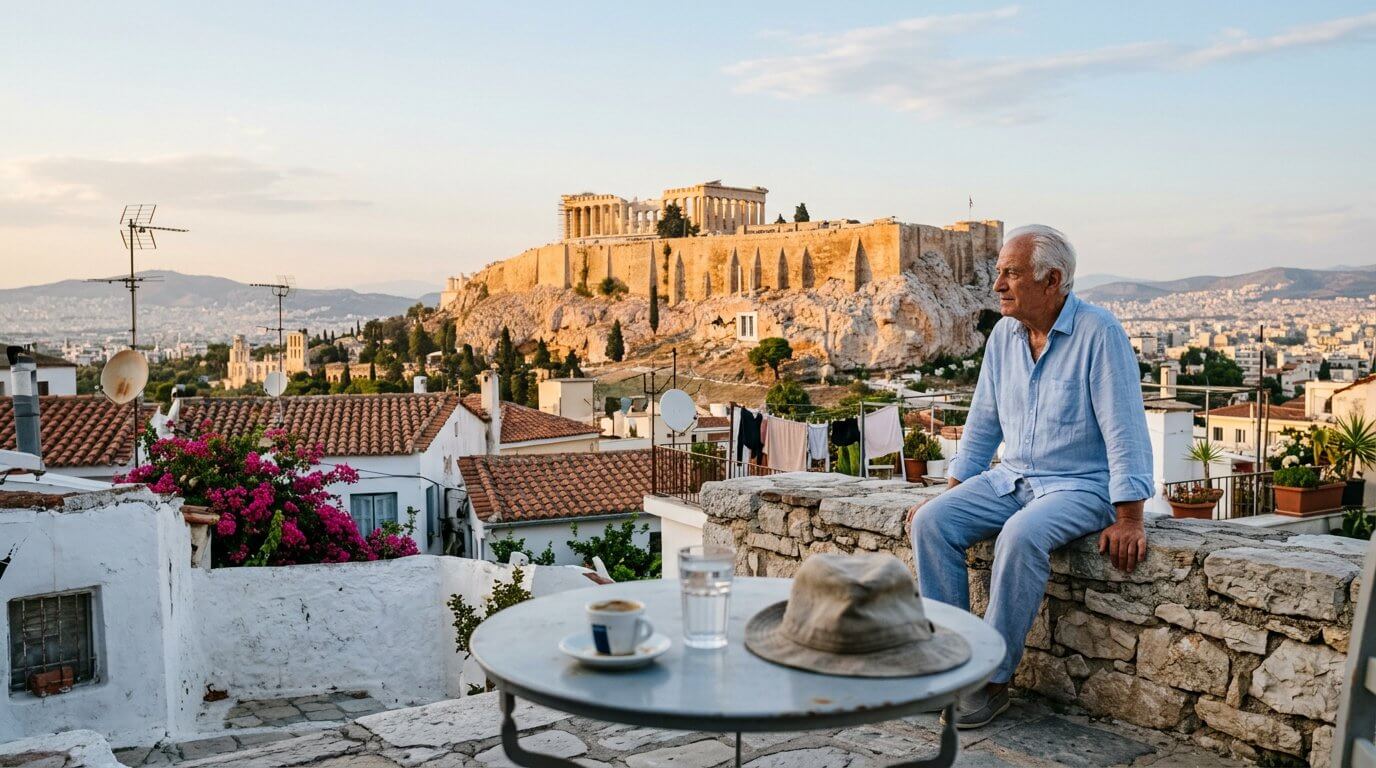

The first time you stand beneath the Acropolis at sunrise, something shifts. Church bells echo off marble that’s weathered over two thousand years of history, scooters buzz through narrow side streets, and the smell of fresh bread drifts from a bakery that’s probably been open since before your grandparents were born. Athens doesn’t announce itself with polish. It reveals itself slowly, in layers, to travelers willing to look past the postcard shots.
This is a city where grandmothers still sell wild greens and herbs in open-air markets, where old men argue cheerfully over backgammon in shaded squares, and where live music spills out of tavernas long after midnight. Finding Local experiences Athens offers means trading a rigid checklist for something messier and more rewarding: a real feel for how the city breathes.
In this guide, you’ll find a practical, emotionally grounded roadmap to Athens — covering history, neighborhoods, food, festivals, and the kind of insider knowledge that turns a trip into a memory worth keeping.
Table of Contents
Why Local Experiences Athens Matter More Than a Tourist Checklist
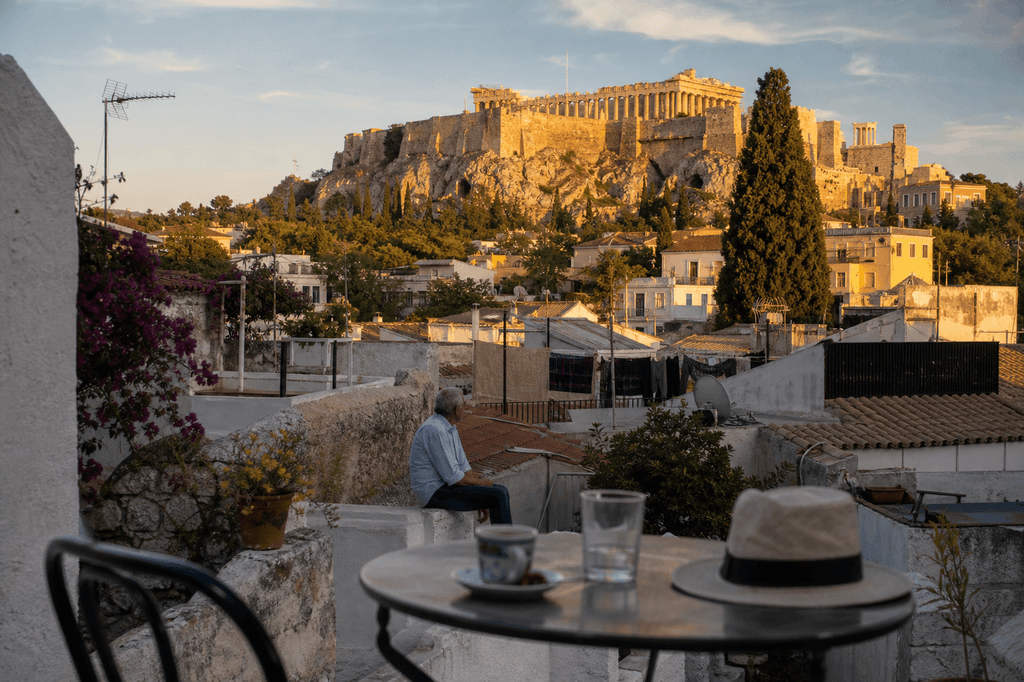
There’s a real difference between sightseeing and what you might call soul-seeing. Snapping a photo of the Parthenon and moving on gives you a souvenir. Sitting in a nearby café, watching locals go about their day against that same backdrop, gives you context.
Athens carries layers of history that most cities simply don’t have: ancient Greek foundations, Roman influence, centuries under Byzantine rule, nearly four hundred years of Ottoman presence, and a modern identity forged after Greek independence. The Acropolis itself holds UNESCO World Heritage status, recognized for its unmatched influence on Western architecture and thought.
Understanding that layered past changes how you move through the city. Suddenly, a quiet alley in Plaka isn’t just charming — it’s a living link to centuries of continuous habitation. That’s the real value behind seeking out Local experiences Athens: richer memories, better stories, and a genuine sense of connection to a place that shaped so much of Western civilization.
Best Time to Experience Local Culture in Athens
Timing shapes what kind of Athens you’ll encounter. Each season brings a different rhythm to the streets.
- Spring (March–May): Mild temperatures, blooming orange trees, and Orthodox Easter — one of the most emotionally significant events in Greek culture, marked by candlelight processions and family traditions.
- Summer (June–August): Long, warm evenings perfect for rooftop tavernas, open-air cinemas, and ferry trips to nearby islands. Expect larger crowds at major landmarks.
- Fall (September–November): Comfortable weather, local food and wine festivals, and noticeably fewer tourists at ancient sites.
- Winter (December–February): A quieter, more local Athens, with holiday markets and cozy neighborhood tavernas replacing the summer buzz.
| Experience Type | Ideal Season | Why It Works |
|---|---|---|
| Street festivals | Spring/Fall | Comfortable weather, active cultural calendar |
| Local food markets | Year-round | Markets like Varvakios operate continuously |
| Rooftop tavernas | Summer | Warm nights, Acropolis sunset views |
| Religious traditions | Spring (Easter) | Candlelight processions, deep local meaning |
If you’re chasing an authentic atmosphere over perfect weather, shoulder seasons (spring and fall) tend to offer the best balance between comfort and cultural immersion.
Top Neighborhoods for Local Experiences Athens
Athens isn’t one city — it’s a patchwork of neighborhoods, each with a distinct personality.
Plaka, often called the historic heart of Athens, sits just below the Acropolis. Its neoclassical buildings and winding pedestrian streets make it ideal for slow wandering, though it does draw significant tourist traffic.
Psyrri, by contrast, feels edgier and more creative, known for street art, small galleries, and a lively nightlife scene that locals actually frequent.
Exarcheia carries a bohemian, politically charged identity, long associated with students, artists, and anti-establishment culture. It’s not polished, but it’s real.
Koukaki, a residential area near the Acropolis, has become popular for its mix of local life and rooftop bars with unbeatable views.
Kolonaki, Athens’ upscale district, offers boutique shopping, art galleries, and a more refined café culture.
A few ways to experience each:
- In Plaka, visit small, lesser-known museums tucked between souvenir shops.
- In Psyrri, take a self-guided street art walk through side alleys.
- In Exarcheia, sit in a student café and listen to local conversations.
- In Koukaki, catch sunset from a rooftop terrace facing the Acropolis.
- In Kolonaki, browse independent galleries showcasing contemporary Greek artists.
Authentic Food Experiences: Eating Like a Local in Athens
Greek food culture runs deep, and Athens offers both spectacular classics and plenty of tourist traps to avoid. The general rule: the farther you walk from a major landmark, the more likely you are to find a taverna full of locals rather than tour groups.
| Dish | Description | Where You Might Try It |
|---|---|---|
| Souvlaki | Grilled meat skewers, often wrapped in pita | Casual souvlaki shops throughout the city |
| Moussaka | Layered baked dish with eggplant, meat, and béchamel | Traditional family-run tavernas |
| Loukoumades | Fried dough balls soaked in honey syrup | Specialty dessert shops in central Athens |
| Fasolada | Hearty traditional bean soup | Neighborhood tavernas, especially in winter |
A few practical tips for eating authentically:
- Skip restaurants with laminated, photo-heavy menus near major tourist sites.
- Eat lunch when locals do, typically starting around 2:00 PM.
- Visit neighborhood markets for fresh produce, cheese, and olives rather than packaged souvenirs.
- Ask your accommodation host for their personal taverna recommendation — it’s often more reliable than online reviews.
Cultural Traditions and Festivals That Define Local Experiences Athens
Greek identity is deeply tied to tradition, and Athens hosts several events that offer real insight into local life.
Orthodox Easter stands as one of the most significant religious observances in Greece, marked by candlelight church services, fasting traditions, and festive family meals. Dates shift yearly according to the Orthodox calendar, so it’s worth checking ahead if you want to witness it.
The Athens Epidaurus Festival, held during the summer months, brings theater, music, and dance performances to historic venues, including ancient amphitheaters. It’s a rare chance to experience performing arts in spaces built thousands of years ago.
Greeks also celebrate name days — the feast day of the saint they’re named after — often with more enthusiasm than birthdays. If you’re invited to one during your visit, consider it a genuine honor and a window into local hospitality.
Approaching these traditions with curiosity and respect, rather than treating them as spectacle, makes all the difference in how locals receive you.
Hidden Historical Gems Beyond the Acropolis
The Acropolis deserves its fame, but Athens holds plenty of quieter historical sites that offer deeper insight with far fewer crowds.
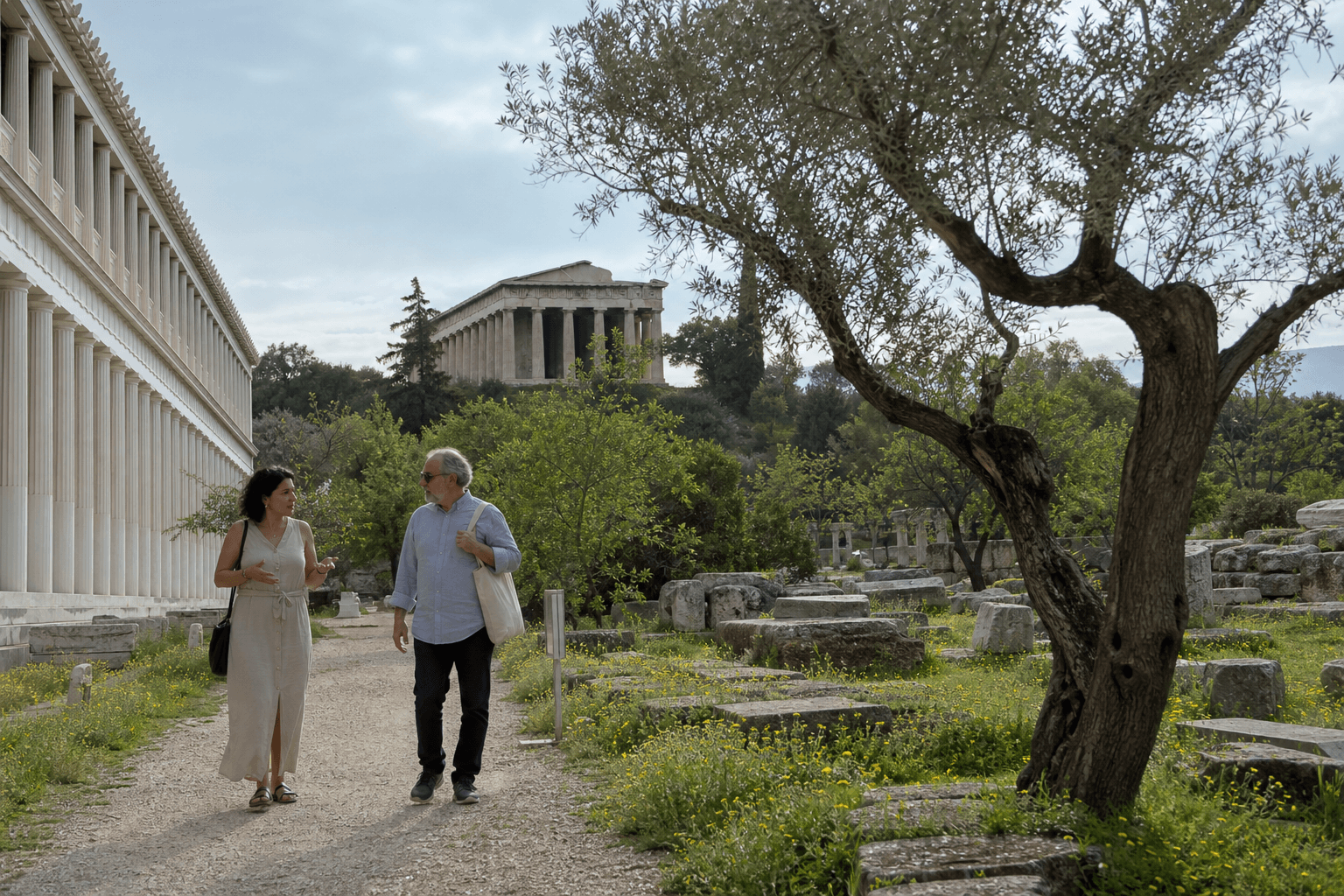
- Ancient Agora: Once the civic and commercial heart of ancient Athens, this site reveals how daily life, politics, and philosophy intersected in antiquity.
- Kerameikos: An ancient cemetery and city gate, often overlooked, offering a moving and uncrowded glimpse into how Athenians honored their dead.
- Roman Agora: Built under Roman rule, this site layers Roman and later Ottoman history, including the well-preserved Tower of the Winds.
These sites tend to draw a fraction of the visitors the Acropolis sees, making them ideal for quiet reflection, unhurried photography, and a slower pace of historical discovery.
How to Connect with Locals During Your Trip
Meaningful travel often comes down to small, intentional choices.
- Join community-based tours or hands-on workshops led by local residents rather than large tour companies.
- Spend time in neighborhood markets, where striking up a conversation with a vendor can lead to genuine recommendations.
- Learn a handful of basic Greek phrases — even simple greetings go a long way in building rapport.
- Consider booking a cooking class hosted by a local family for a more personal cultural exchange.
- Use platforms that connect travelers directly with local guides for small-group or one-on-one experiences.
These small efforts shift your trip from passive observation to active participation in local life.
Practical Travel Tips for Enjoying Local Experiences Athens
A few practical notes can make your visit smoother:
- Athens has a reliable metro system that connects most major neighborhoods and historical sites efficiently.
- Walking remains one of the best ways to explore central Athens, especially pedestrian-friendly areas like Plaka and Monastiraki.
- Dress modestly when visiting churches or religious sites, covering shoulders and knees out of respect.
- Tipping is appreciated in restaurants but isn’t strictly obligatory the way it is in the US.
- Budget for a mix of free historical wandering and a few paid experiences, like workshops or guided tours, for the most well-rounded visit.
Sample 3-Day Itinerary for Local Experiences Athens
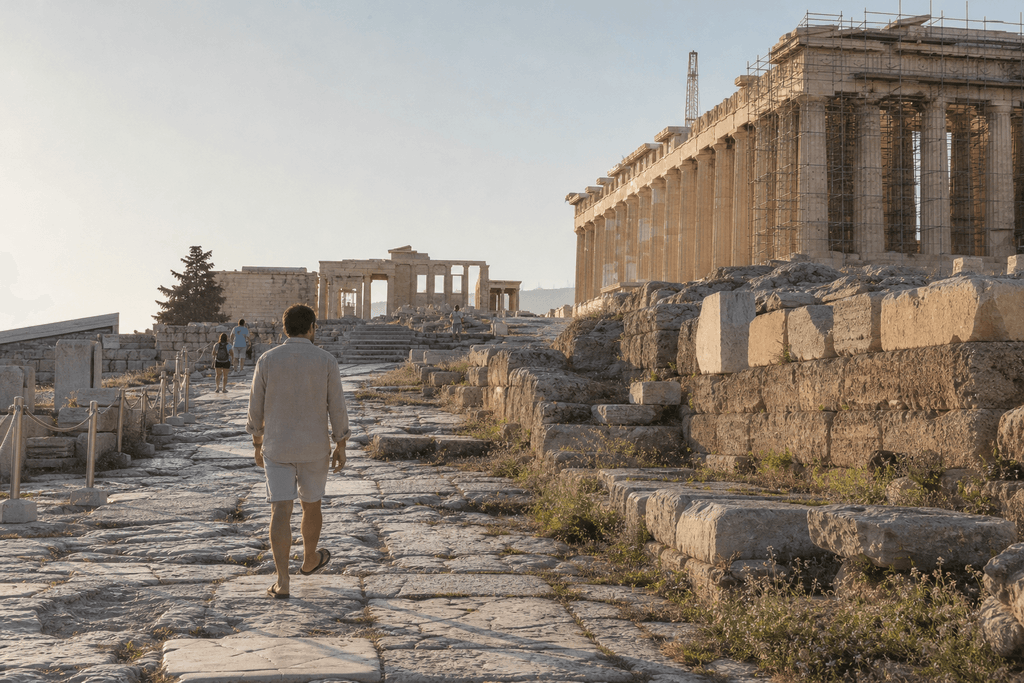
- Day 1: Watch sunrise near the Acropolis, then wander the historic streets of Plaka, stopping at small local museums along the way.
- Day 2: Spend the morning exploring neighborhood food markets, join an afternoon food tour, and experience Psyrri’s nightlife after dark.
- Day 3: Visit the quieter ruins of the Ancient Agora and Kerameikos, then end the day with rooftop dinner in Koukaki overlooking the Acropolis.
This structure balances major landmarks with slower, local-focused experiences — a rhythm that works well for most first-time visitors.
Conclusion: Discovering the True Soul of Athens
Athens rewards travelers who slow down enough to notice the details — the layered history beneath their feet, the traditions still practiced today, and the neighborhoods that each tell a different part of the city’s story. Seeking out Local experiences Athens isn’t about avoiding the major landmarks; it’s about understanding them more deeply while also making room for the quieter, more personal moments that stick with you long after you’ve gone home.
If you’re planning your trip, consider pairing historical sightseeing with at least one or two genuinely local activities — a market visit, a neighborhood walk, a festival if the timing lines up. That balance is where Athens truly comes alive.
FAQ Section
What are the best Local experiences Athens offers for first-time visitors?
First-time visitors often enjoy combining major historical sites like the Acropolis with neighborhood exploration in Plaka and Psyrri, local food tours, and visits to traditional markets for a well-rounded introduction to the city.
Is Athens safe for travelers seeking authentic local experiences?
Athens is generally considered safe for travelers, especially in central neighborhoods like Plaka, Koukaki, and Kolonaki. As with any major city, it’s wise to stay aware of your surroundings, particularly at night.
What is the best time of year for Local experiences Athens?
Spring and fall offer the most comfortable weather along with active cultural events, making them ideal for travelers who want authentic experiences without peak summer crowds.
How can I experience Greek culture in Athens without spending a lot of money?
Wandering historic neighborhoods, visiting local markets, and exploring free or low-cost archaeological sites outside the Acropolis are excellent, budget-friendly ways to experience authentic Greek culture.
What should I avoid when looking for authentic Local experiences Athens?
Try to avoid restaurants with picture-heavy menus located directly next to major tourist attractions, as these are often less authentic and more expensive than neighborhood tavernas just a few streets away.