



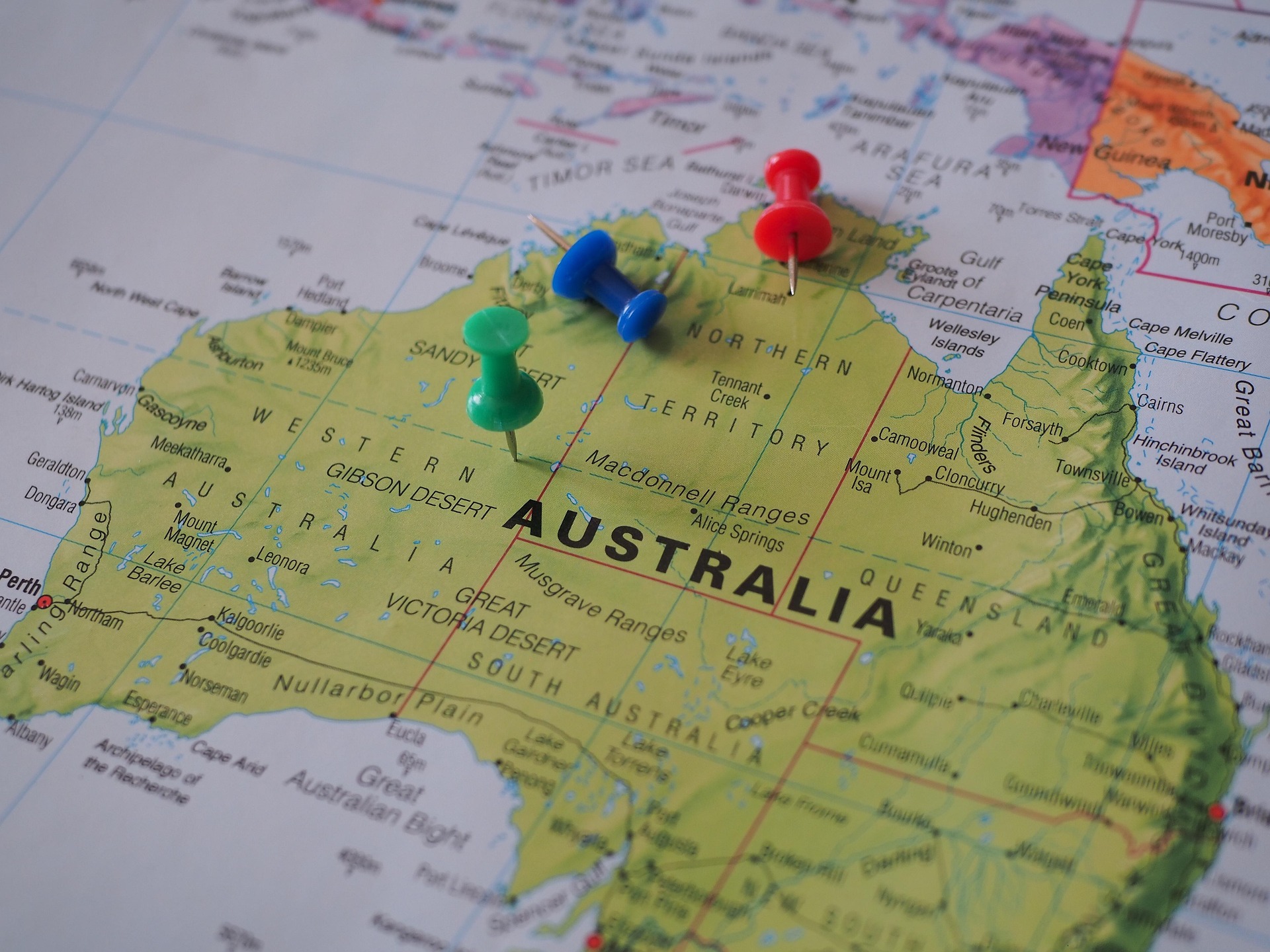

I once booked a flight to Australia thinking “summer” meant the same thing it does back home in the US. I landed in Sydney in July expecting sunshine and packed shorts for a trip that turned out to be chilly, rainy, and nothing like the postcard image in my head. It wasn’t a disaster, but it taught me something every traveler to Australia eventually learns: timing changes everything here.
Australia is a continent, not just a country, and that single fact explains why there’s no one-size-fits-all answer to the best time to visit Australia. The tropical north runs on a completely different calendar than the temperate south, and the arid interior plays by its own rules entirely. Get the timing right, and you’ll snorkel the Great Barrier Reef in glassy water, watch whales breach off the coast, and catch a world-class festival without fighting peak-season crowds. Get it wrong, and you might spend your vacation dodging monsoon rain or a punishing heatwave.
This guide breaks down exactly when to go, region by region and experience by experience, so you can plan a trip that matches what you actually want to see and do.
Table of Contents
Understanding Australia’s Unique Climate (Why Timing Matters)
Australia’s Reversed Seasons vs. the US
Because Australia sits in the Southern Hemisphere, its seasons run opposite to what Americans are used to. December through February is summer, while June through August is winter. This trips up a lot of first-time visitors who assume “summer vacation” in July will mean beach weather in Australia — it won’t, at least not in the southern half of the country.
Keep this reversal in mind when you’re scanning flight deals or reading reviews, since a “winter trip” recommendation from an Australian traveler means something very different than it would from a friend in Chicago.
Australia’s Climate Zones Are Not One-Size-Fits-All
Beyond the hemisphere flip, Australia’s sheer size creates dramatically different climates depending on where you land. Understanding these zones is the real key to figuring out the best time to visit Australia for your specific itinerary.
- Tropical North (Cairns, Darwin, Great Barrier Reef): Defined by a wet season (roughly November to April) and a dry season (May to October), rather than four traditional seasons.
- Temperate South (Sydney, Melbourne, Tasmania, Adelaide): Experiences four distinct seasons similar to the US, just flipped in timing.
- Arid Interior / Outback (Uluru, Alice Springs): Brutally hot summers and surprisingly cool, pleasant winters, with huge temperature swings between day and night.
Knowing which zone your destination falls into will tell you far more than a generic “best month to visit Australia” list ever could.
Best Time to Visit Australia by Season

Summer (December–February)
Australian summer brings beach culture to life — think Bondi Beach packed with sunbathers, backyard barbecues, and the famous Sydney Harbour fireworks on New Year’s Eve. It’s peak tourist season in the southern cities, which means higher prices and bigger crowds.
This is also bushfire season in parts of southern and eastern Australia, something worth monitoring if you’re traveling through rural or forested regions. Humidity climbs in the north during this period as well, since it overlaps with the tropical wet season.
Best for: Coastal city breaks, beach holidays, summer festivals, New Year’s celebrations.
Autumn (March–May)
Autumn is one of the most underrated times to visit the southern half of the country. Temperatures mellow out, crowds thin, and wine regions like the Hunter Valley and Yarra Valley move into harvest season.
Best for: Wine tourism, hiking, city sightseeing without summer crowds.
Winter (June–August)
While winter in Melbourne or Sydney means cooler, rainier days, it’s actually prime time for two of Australia’s bucket-list experiences. The tropical north enters its dry season, making this the ideal window to visit the Great Barrier Reef and Cairns. It also coincides with whale migration season along much of the coastline, and it’s generally a quieter, more budget-friendly time to explore the Outback, since daytime desert temperatures become far more comfortable.
Best for: Great Barrier Reef trips, Uluru and Outback exploration, whale watching, budget travel.
Spring (September–November)
Spring brings wildflower blooms, particularly across Western Australia, along with mild, pleasant weather in the southern cities before the summer crowds arrive. It’s also shoulder season for pricing, which makes it appealing for travelers trying to balance good weather with reasonable costs.
Best for: Western Australia wildflower trails, city exploration, shoulder-season savings.
Quick Seasonal Comparison
| Season | Months | Best Regions | Weather | Crowd Level |
|---|---|---|---|---|
| Summer | Dec–Feb | Sydney, Gold Coast | Hot, humid | High |
| Autumn | Mar–May | Melbourne, Hunter Valley | Mild | Moderate |
| Winter | Jun–Aug | Cairns, Uluru, Outback | Cool/dry (north) | Low–Moderate |
| Spring | Sep–Nov | Perth, WA Wildflower Coast | Mild, blooming | Moderate |
Best Time to Visit Australia for Specific Experiences

Rather than thinking purely in seasons, it often helps to work backward from the experience you care about most.
Best Time for the Great Barrier Reef
The dry season, roughly June through October, generally offers calmer seas and clearer water for snorkeling and diving. It also falls outside the period when marine stingers are most prevalent along parts of the Queensland coast, though local operators can advise on current conditions.
Best Time for the Outback and Uluru
Aim for May through September. Daytime temperatures are far more manageable for hiking and outdoor exploration, while summer in the Red Centre can bring extreme, potentially dangerous heat.
Best Time for Sydney and Melbourne City Breaks
Shoulder seasons — March to May or September to November — tend to offer the sweet spot of comfortable weather, manageable crowds, and more reasonable accommodation prices.
Best Time for Whale Watching
Whale migration season runs broadly from May through November along much of the Australian coastline, with timing varying somewhat by region, as whales travel north to breed and then south again with their calves.
Best Time for Wine Regions
Harvest season, generally March and April, brings wine regions like the Barossa Valley and Margaret River to life with festivals, tastings, and a palpable sense of celebration.
Best Time to Visit Australia for Festivals and Cultural Events

Timing a trip around a major festival can transform a good vacation into an unforgettable one. Australia’s cultural calendar is packed with events that reflect both its contemporary identity and its deeper heritage.
- Sydney Festival (January): A major celebration of arts, music, and outdoor performances during peak summer.
- Vivid Sydney (May–June): A large-scale light, music, and ideas festival that transforms the harbor city after dark.
- Melbourne International Comedy Festival (March–April): One of the largest comedy festivals in the world.
- Australian Open (January): A major draw for sports fans visiting Melbourne.
- NAIDOC Week (July): A nationally significant celebration of Aboriginal and Torres Strait Islander history, culture, and achievements.
- Melbourne Cup (November): Known as “the race that stops a nation,” this horse racing event is tied to a broader day of cultural tradition.
Indigenous Cultural Experiences and Seasonal Significance
Many Aboriginal communities recognize detailed seasonal calendars, some with six distinct seasons rather than four, reflecting deep traditional knowledge of local ecosystems, weather patterns, and land stewardship built over tens of thousands of years. Exploring these perspectives through a respectful, Indigenous-guided tour — rather than a generic sightseeing bus — offers a far richer understanding of the land than most standard itineraries provide. [INTERNAL LINK: Aboriginal Cultural Experiences Guide]
Best Time to Visit Australia on a Budget
Cheapest Months to Fly and Book Accommodation
Shoulder seasons generally offer better airfare and accommodation pricing than the December–January peak. It’s also worth checking Australian school holiday periods, since domestic travel demand spikes during these windows and can drive up prices even in destinations popular with international visitors.
Money-Saving Tips
- Book flights several months in advance when possible.
- Travel during autumn or spring shoulder seasons rather than peak summer.
- Avoid major holiday periods like Christmas and Easter if budget is a priority.
- Consider regional destinations instead of exclusively staying in capital cities.
Things to Know Before You Go
Visa and Entry Requirements
US citizens typically need to arrange an electronic visa or travel authorization before departure. Requirements can change, so it’s worth confirming current rules directly through Australia’s official immigration website before booking.
Packing Tips by Season
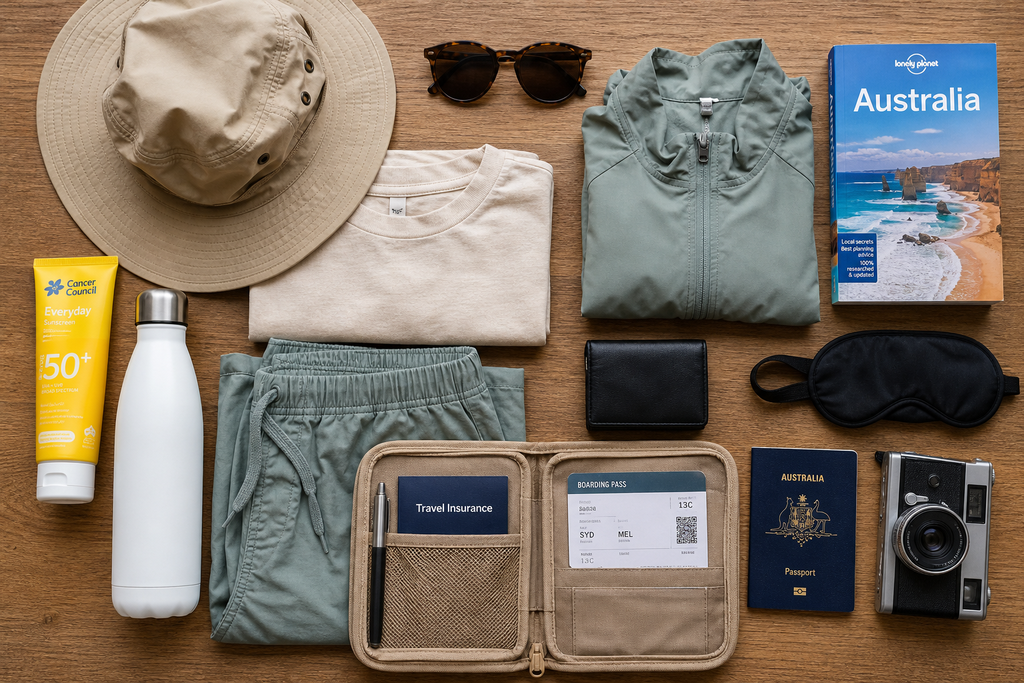
- Summer: Lightweight, breathable clothing, strong sunscreen, a hat.
- Winter: Layers, especially if traveling between the cool south and warm tropical north in the same trip.
- Outback trips (any season): Clothing for big day-to-night temperature swings.
Regional Weather Warnings
Cyclone season affects the tropical north roughly between November and April, while bushfire risk tends to rise across parts of southern and eastern Australia during the hot, dry summer months. Checking regional advisories before travel is always a smart move.
Sample Itineraries Based on Timing
Two-Week Winter Itinerary (Reef and Outback Focus)
Start in Cairns for Great Barrier Reef diving during the dry season, then fly to Uluru for several days of comfortable-temperature desert exploration before finishing in Sydney.
Two-Week Spring Itinerary (Wildflowers and Wine)
Begin in Perth to catch Western Australia’s wildflower bloom, then head to Adelaide and the Barossa Valley before wrapping up with mild-weather sightseeing in Melbourne.
Conclusion
There’s no single “best” month to visit Australia — there’s only the best time for what you want out of the trip. Beach lovers and festival-goers should lean toward summer and spring in the southern cities, reef and Outback enthusiasts should target the dry winter months, and budget-conscious travelers will find the most value in the shoulder seasons of autumn and spring.
The real secret to planning a great Australian trip isn’t finding a universally perfect month — it’s matching the continent’s many climates and calendars to your own travel priorities. Start there, and the rest of the planning falls into place.
Ready to dig deeper into specific destinations? Explore our guide to [INTERNAL LINK: Sydney’s Most Iconic Neighborhoods] next to start building out your itinerary.
E. FAQ Section
What is the best time to visit Australia overall?
For most travelers, September to November or March to May offer the best balance of mild weather, moderate crowds, and reasonable pricing across the southern cities.
What is the best time to visit Australia for the Great Barrier Reef?
The dry season, roughly June through October, generally provides clearer water and calmer conditions for snorkeling and diving.
Is it better to visit Australia in summer or winter?
It depends on your itinerary: summer suits beach destinations and southern coastal cities, while winter is ideal for the Great Barrier Reef, the Outback, and whale watching.
What is the cheapest time to visit Australia?
Shoulder seasons, particularly autumn and spring, tend to offer lower prices than the December–January peak, especially if you avoid Australian school holiday periods.
Does Australia have a rainy season?
Yes. Northern tropical regions like Cairns and Darwin experience a wet season roughly from November to April, which is distinct from the four-season pattern found in southern Australia.