



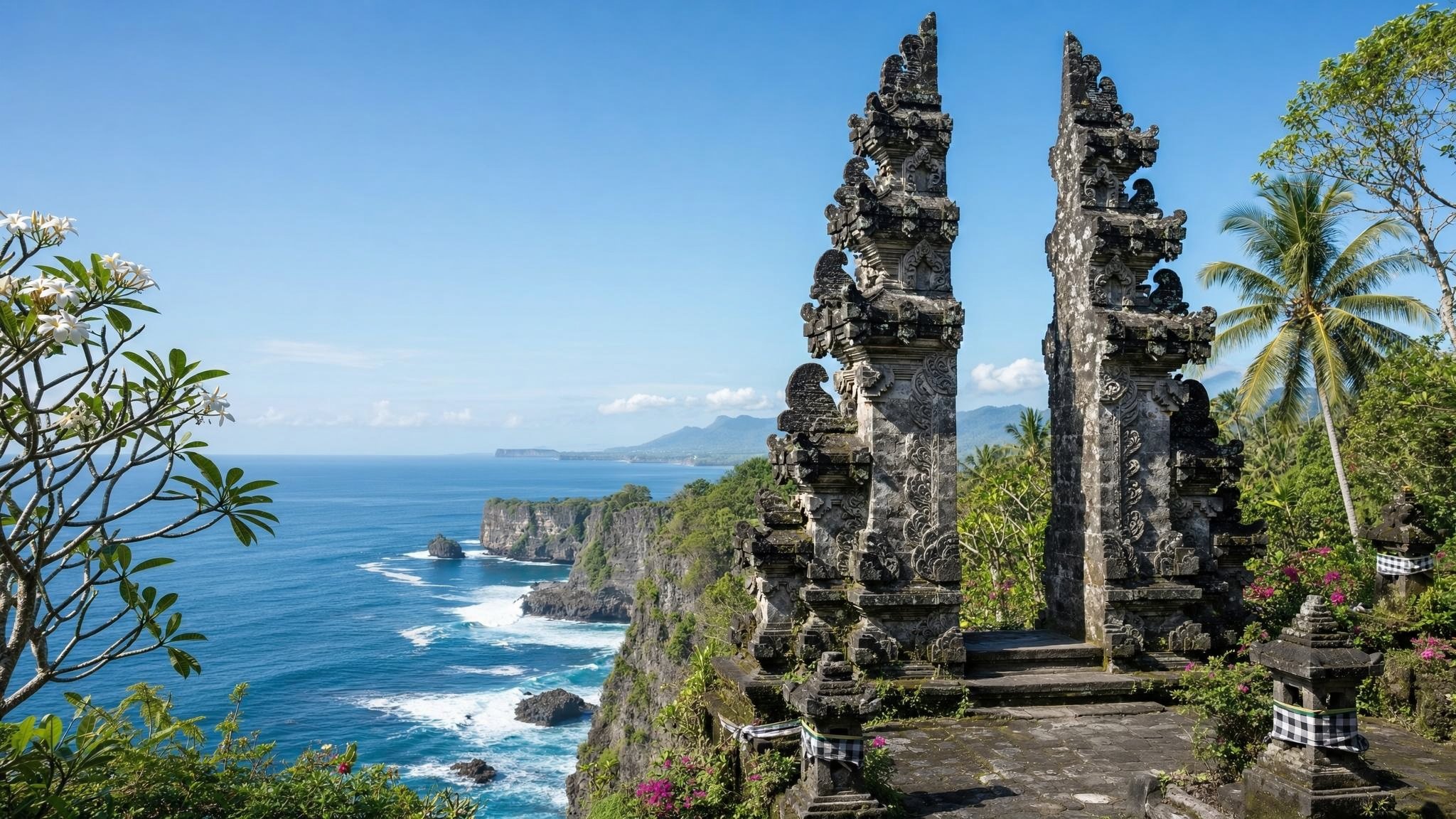

I still remember landing in Bali expecting a postcard—turquoise water, swaying palms, instant paradise. What I didn’t expect was how much the island’s rhythm would depend on timing. The scent of frangipani after a rain shower, the distant clang of gamelan music drifting from a temple courtyard, golden light spilling over the Tegallalang rice terraces—these moments exist year-round, but some months make them unforgettable while others make them merely nice.
That’s the real answer to the question so many travelers ask before booking flights: the Best time to visit Bali isn’t a single fixed window. It depends on whether you’re chasing dry beach days, cultural ceremonies, budget savings, or quiet corners away from crowds. This guide walks through Bali’s seasons, festivals, regional quirks, and practical planning details so you can choose the window that fits the trip you actually want to take.
Table of Contents
Why Timing Your Bali Trip Actually Matters

Bali sits just south of the equator, so temperatures stay fairly consistent year-round, typically in the upper 70s to high 80s Fahrenheit. What changes dramatically is rainfall, humidity, and tourist volume. According to Indonesia’s Meteorological, Climatological, and Geophysical Agency (BMKG), the island generally experiences two broad seasons rather than four.
Timing affects more than just whether you’ll need an umbrella. It influences hotel rates, how crowded Tanah Lot gets at sunset, whether mountain roads near Kintamani are passable, and whether you’ll witness a temple ceremony or just a quiet, empty courtyard.
Bali’s Two Main Seasons at a Glance
| Season | Months | Weather | Best For |
|---|---|---|---|
| Dry Season | April–October | Sunny, lower humidity | Beaches, hiking, outdoor festivals |
| Wet Season | November–March | Afternoon showers, higher humidity | Fewer crowds, lush scenery, lower prices |
Keep in mind that “wet season” doesn’t mean constant rain. Showers are often short, intense, and concentrated in the afternoon or evening, leaving mornings clear in many areas.
Best Time to Visit Bali for Perfect Weather
Peak Dry Months (June–September)
If consistently sunny skies and minimal rain are your top priority, June through September delivers the most reliable dry-season weather. These months are ideal for:
- Sunrise treks up Mount Batur
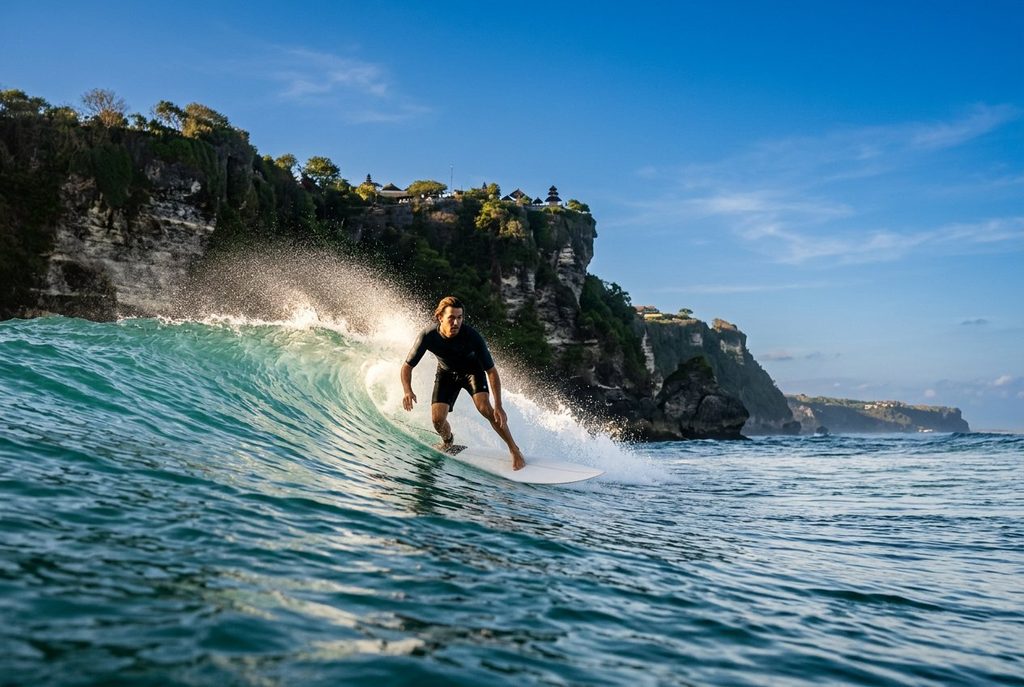
- Surfing the reef breaks off Uluwatu
- Beach-hopping between Nusa Dua and Jimbaran
The tradeoff is popularity. This stretch overlaps with the busiest tourist season, meaning higher hotel rates and larger crowds at landmarks like Tanah Lot and the Ubud Monkey Forest.
Shoulder Season Sweet Spots (April–May and September–October)
These transitional months often get overlooked, which is exactly why experienced travelers love them. Weather remains largely dry and pleasant, but crowds thin out and accommodation prices become more reasonable.
Quick List — 5 Months Known for Reliable Bali Weather:
- May
- June
- July
- August
- September
If your schedule allows flexibility, aiming for the edges of this list—May or September—often strikes the best balance between good weather and manageable crowds.
Best Time to Visit Bali for Cultural Festivals and Ceremonies
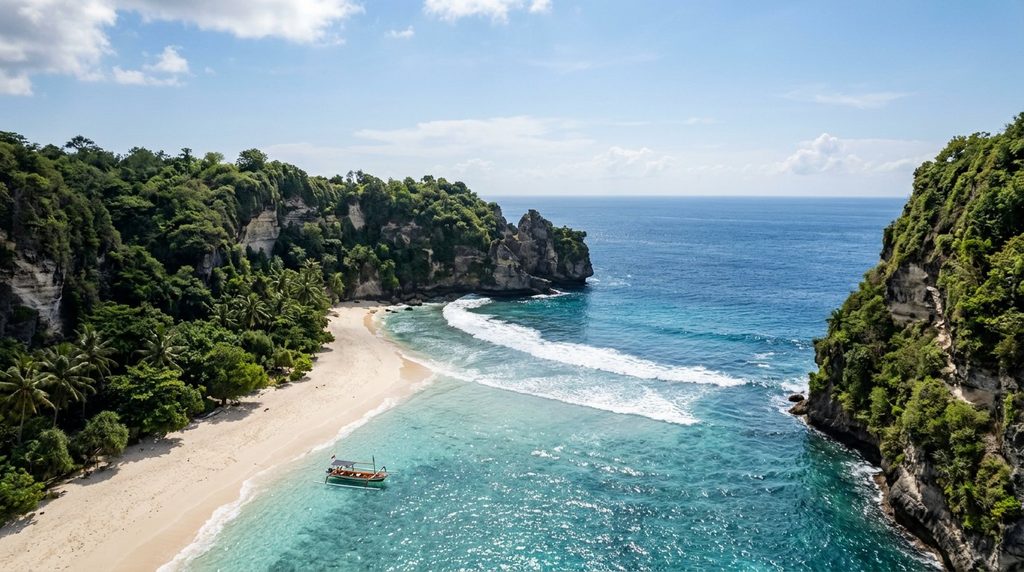
Weather is only half the equation. Bali’s Hindu-majority culture runs on a calendar of ceremonies that shape daily life, and witnessing one can transform a beach vacation into something far more meaningful.
Major Balinese Festivals to Plan Around
Nyepi (Day of Silence) falls in March, based on the Balinese Saka calendar, and the exact date shifts annually. The entire island observes a 24-hour period of silence and stillness—no flights, no lights, no activity on the streets. It’s a fascinating cultural phenomenon, but travelers should know it also means no sightseeing that day, so plan accordingly.
Galungan and Kuningan are twin celebrations marking the victory of dharma (good) over adharma (chaos), occurring twice within the 210-day Pawukon calendar cycle rather than on fixed Western dates. During this period, streets fill with tall bamboo penjor poles and temples are elaborately decorated.
The Bali Arts Festival, held annually in Denpasar around June and July, showcases traditional dance, gamelan music, and regional crafts from across the island. It’s one of the more accessible cultural events for visitors since it’s specifically organized as a public celebration.
Why Visiting During Festivals Deepens the Experience
Timing a visit around these events offers access to processions, traditional dress, and temple rituals you simply won’t see otherwise. That said, some ceremonies are sacred and not meant for tourist photography or casual observation—always ask local guides what’s appropriate before joining or photographing a ritual.
[INTERNAL LINK: Balinese Hindu Traditions Explained]
Best Time to Visit Bali on a Budget
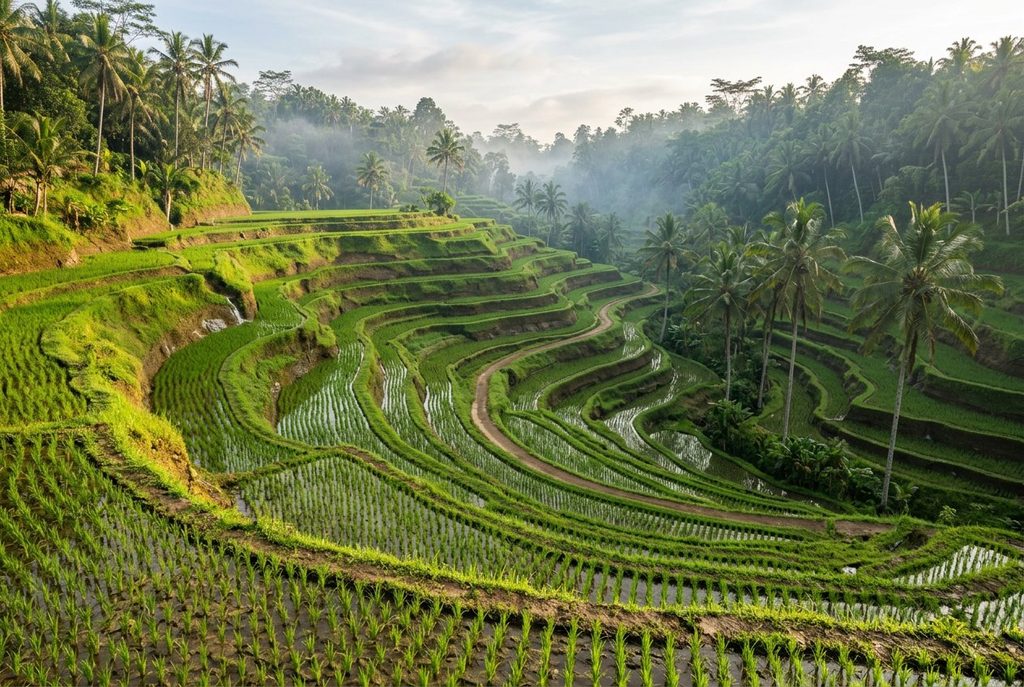
Low Season Advantages (November–March, Excluding Holidays)
Outside of the Christmas and New Year rush, the wet season offers genuine savings. Expect:
- Lower flight and hotel prices
- Thinner crowds at Uluwatu Temple and Ubud Palace
- Lush, vividly green rice terraces fed by regular rainfall
Months to Avoid for Budget Travelers
Late December through early January sees a significant price spike due to holiday travel demand, and July–August draws peak-season rates tied to the Northern Hemisphere’s summer break.
Cost-Saving Travel Tips:
- Book accommodations two to three months ahead if targeting shoulder season.
- Avoid major Indonesian and international holiday windows when planning for savings.
- Consider staying in Canggu or Sanur, which tend to be more affordable than Seminyak.
- Fly midweek when possible, as domestic and regional flights are often cheaper.
Best Time to Visit Bali by Region
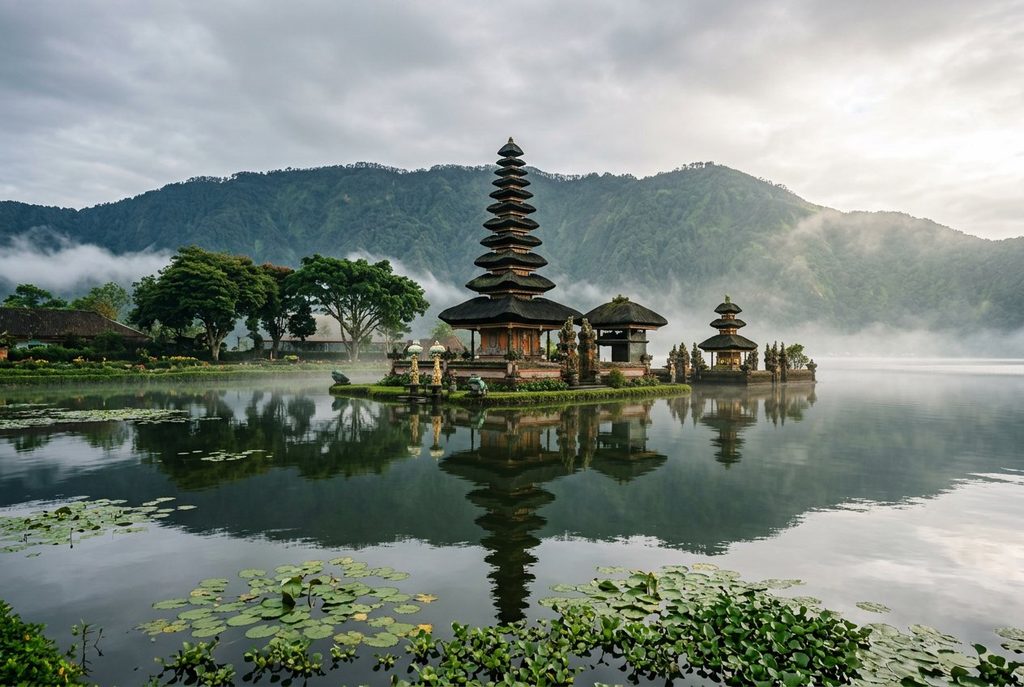
Bali isn’t uniform, and different parts of the island have slightly different weather patterns and seasonal highlights.
Ubud — Cultural and Rice Terrace Hub
Ubud’s inland, elevated setting means cooler evenings and lush scenery most of the year. Dry season suits hiking and temple visits, while wet season brings out the vivid green of the rice terraces, appealing to photographers.
Uluwatu and the Bukit Peninsula — Surf and Cliffside Views
This southern peninsula is drier overall than much of the island, and dry season (roughly April through October) brings the most consistent surf conditions and clear coastal views.
North Bali (Lovina) — Quiet Shores and Dolphin-Watching Boats
Thanks to its geography, North Bali tends to receive less rainfall than the south, making it a reasonably steady year-round option for travelers seeking a quieter alternative to the busier southern beach towns.
[INTERNAL LINK: Ubud vs. Canggu: Choosing Your Bali Home Base]
What to Pack Based on the Best Time to Visit Bali
Dry Season Packing List
- Lightweight, breathable clothing
- Reef-safe sunscreen (increasingly required at certain marine areas)
- Modest clothing for temple visits, including a sarong (often provided or rentable on-site)
Wet Season Packing List
- A compact rain jacket or poncho
- Quick-dry fabrics
- A waterproof bag or case for phones and cameras
Common Mistakes Travelers Make When Choosing Bali Travel Dates
Even seasoned travelers stumble into a few avoidable issues:
- Underestimating humidity levels, which can feel intense even during the “dry” months.
- Overlooking the local ceremonial calendar, which can mean some temples or roads are temporarily closed to visitors.
- Booking a trip during Nyepi without understanding the restrictions—arriving or departing the island isn’t possible that day, and flights are suspended.
Checking a current Balinese calendar or consulting your accommodation ahead of travel can help you avoid surprises.
Conclusion
Bali rewards travelers who plan with intention rather than guesswork. The Best time to visit Bali ultimately depends on what you’re prioritizing—whether that’s dry, sunny beach days, immersive cultural festivals, budget-conscious travel, or simply avoiding the biggest crowds. May through September offers the most dependable weather, while the shoulder months and even the rainy season have their own distinct rewards for travelers willing to trade a little unpredictability for lower prices and quieter landmarks.
Bali isn’t just a place you visit; it’s a rhythm you step into. Syncing your trip to that rhythm, whether through a festival, a quiet dry-season sunrise, or a budget-friendly rainy month, is often what separates a good trip from one that stays with you.
Looking to plan your next journey with the same depth and intention? Explore more destination guides on SoulOfCities to discover the stories behind the places you’re dreaming of visiting.
E. FAQ Section
What is the Best time to visit Bali overall?
Most travelers find the Best time to visit Bali falls between May and September, when the dry season brings lower humidity, sunnier skies, and ideal conditions for beaches and outdoor activities.
Is the Best time to visit Bali during rainy season still worth it?
Yes, many travelers choose November through March specifically because of lower prices, thinner crowds, and lush, vibrant landscapes, even with the possibility of afternoon showers.
What is the Best time to visit Bali for surfing?
Surfers generally prefer the dry season, roughly April through October, when conditions around Uluwatu and the Bukit Peninsula tend to be more consistent.
When is the Best time to visit Bali to avoid crowds?
Shoulder months like May and September often offer a good balance of dry weather and smaller crowds compared to the peak July–August season.
What is the Best time to visit Bali for cultural festivals?
Travelers interested in ceremonies and traditions might time a visit around Galungan and Kuningan, which occur twice within the 210-day Balinese calendar cycle, or the Bali Arts Festival held in Denpasar around June and July.