



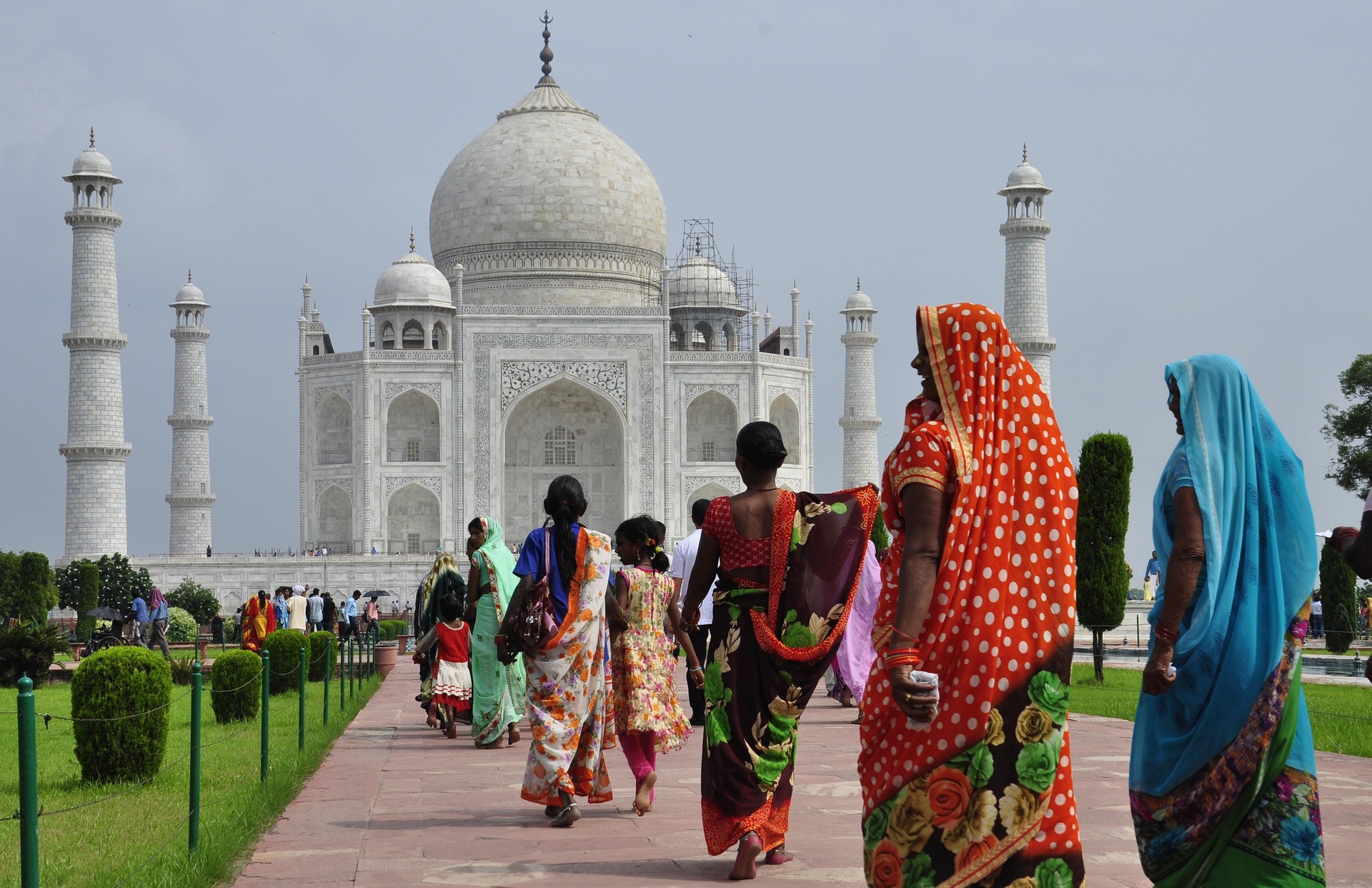

I arrived in Delhi in July once, convinced that summer was summer and a trip was a trip. By day two, I was holed up in an air-conditioned hotel room watching monsoon rain hammer the streets, having completely misjudged what “visiting India in summer” actually meant. It wasn’t the trip I’d pictured, and it taught me something that every first-time visitor to India eventually learns the hard way: timing here isn’t a minor detail. It’s everything.
India doesn’t run on four predictable seasons like much of the US does. It runs on three broad climate patterns, layered on top of a subcontinent so vast that the weather in Ladakh has almost nothing in common with the weather in Kerala, even on the same calendar day. Figure out the best time to visit India for your specific priorities, and you’ll find yourself walking through Rajasthan’s forts in comfortable morning light, celebrating Diwali alongside families lighting diyas in their doorways, or drifting through Kerala’s backwaters under a canopy of palm trees. Get the timing wrong, and you might spend your trip retreating from heat or rain instead of exploring.
This guide walks through exactly when to go, broken down by season, region, and experience, so you can build a trip around what genuinely interests you rather than guessing.
Table of Contents
Understanding India’s Climate and Why Timing Matters
India’s Three Main Seasons
Unlike the familiar four-season rhythm of spring, summer, fall, and winter, India generally operates on three broad seasons: winter, summer, and monsoon. This three-season framework, tracked by India’s Meteorological Department, is the starting point for understanding when to visit.
Winter runs roughly from October through March, summer from April through June, and the monsoon from June or July through September. These aren’t rigid boundaries — the exact timing shifts somewhat by region — but they offer a useful mental map for planning.
A Subcontinent of Microclimates
India’s size means that a single “best time to visit” rarely applies to the whole country at once. A trip planned around north Indian winter weather might arrive in south India at a completely different point in its seasonal cycle.
- North India (Delhi, Rajasthan, Uttar Pradesh): Hot, dry summers and surprisingly cool winters, occasionally dipping close to freezing at night in places like Jaipur.
- South India (Kerala, Tamil Nadu): Consistently warm and tropical year-round, with monsoon patterns that differ from the north.
- Himalayan Region (Himachal Pradesh, Ladakh): Short, mild summers and long, snowbound winters that can close mountain passes entirely.
- Northeast India: Among the wettest regions in the world during monsoon season, with lush, dramatic landscapes as a result.
Understanding which climate zone your destination falls into matters far more than a single generic answer to the best time to visit India.
Best Time to Visit India by Season
Winter (October–March)
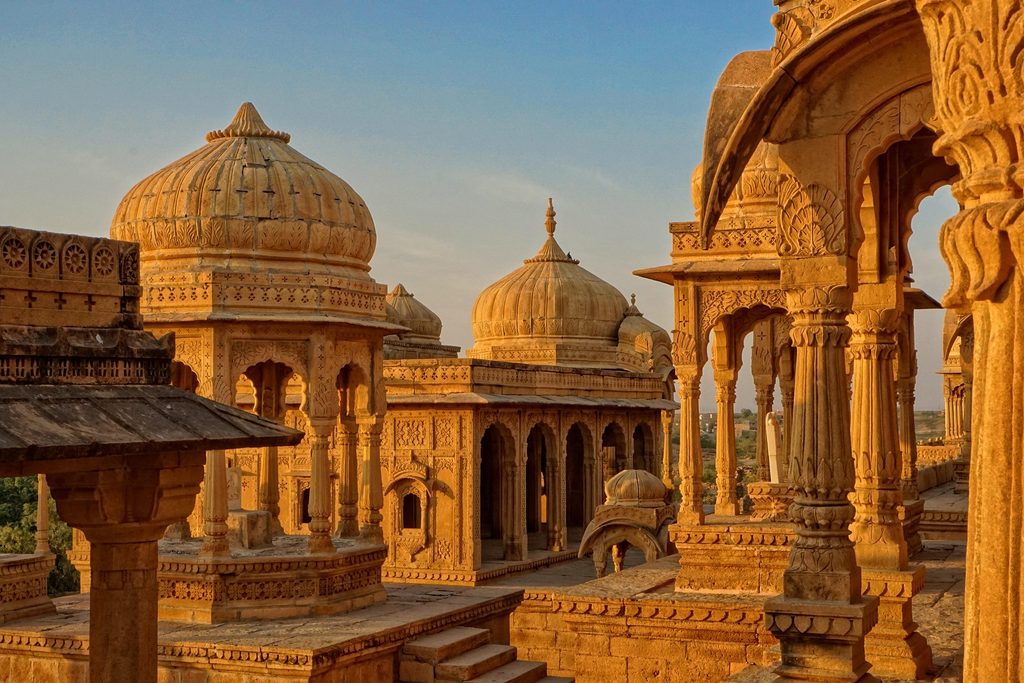
Winter is widely considered the most comfortable season for first-time visitors, particularly in northern and central India. Daytime temperatures in cities like Delhi and Jaipur become pleasant for walking and sightseeing, and this period also overlaps with India’s biggest festival season, including Diwali.
The tradeoff is that winter is peak tourist season, especially around Christmas and New Year, which means higher prices and larger crowds at major sites like the Taj Mahal.
Best for: First-time visitors, the Golden Triangle circuit, Rajasthan’s forts and palaces.
Summer (April–June)
Summer brings intense heat to India’s plains, with temperatures in cities like Delhi and parts of Rajasthan regularly climbing well above 100°F. It’s not an easy season for sightseeing in those regions, but it opens up a different kind of trip entirely.
This is actually the ideal window for the Himalayan hill stations, where temperatures stay mild even as the plains bake below. Crowds and prices also drop in many non-hill-station destinations during this period.
Best for: Himachal Pradesh, Ladakh, hill station retreats, budget travelers willing to avoid the plains.
Monsoon (July–September)
The monsoon transforms India’s landscapes, turning parched hillsides green and filling rivers and lakes. Kerala, in particular, becomes lush and vivid during this period, and its backwaters take on an almost cinematic quality.
Heavy rainfall can disrupt travel plans, flood certain roads, and make outdoor sightseeing unpredictable in some regions. However, this is also the lowest-price, lowest-crowd season across much of the country.
Best for: Kerala, the Western Ghats, budget-conscious travelers comfortable adapting plans around rain.
Quick Seasonal Comparison
| Season | Months | Best Regions | Weather | Crowd Level |
|---|---|---|---|---|
| Winter | Oct–Mar | Delhi, Agra, Jaipur, Goa | Cool, dry | High |
| Summer | Apr–Jun | Himachal Pradesh, Ladakh | Hot (plains), mild (hills) | Low–Moderate |
| Monsoon | Jul–Sep | Kerala, Western Ghats | Rainy, humid | Low |
Best Time to Visit India for Specific Experiences
Rather than planning around a season alone, it often helps to work backward from the specific experience you want most.
Best Time for the Golden Triangle (Delhi, Agra, Jaipur)
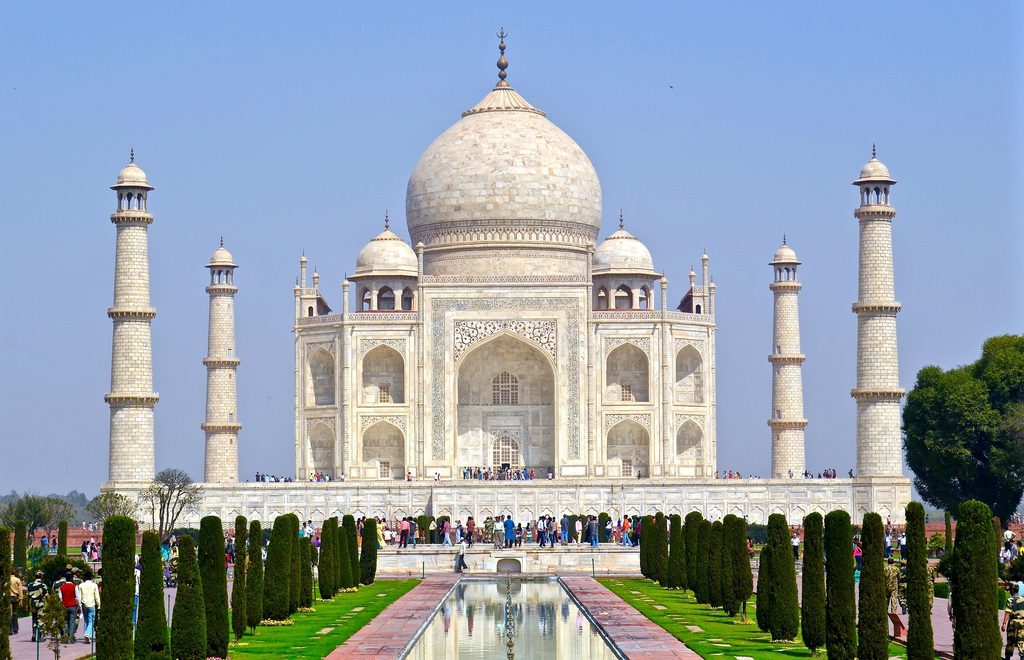
October through March offers the most comfortable conditions for exploring the Taj Mahal, Delhi’s historic quarters, and Jaipur’s palaces without battling extreme heat.
Best Time for Kerala’s Backwaters
September through March, just after the monsoon eases, brings lush greenery combined with more manageable humidity, making it an excellent window for houseboat trips through Alleppey and Kumarakom.
Best Time for Rajasthan’s Deserts
November through February keeps desert heat at a manageable level for camel safaris and fort exploration around Jaisalmer and Jodhpur, since summer temperatures in this region can become extreme.
Best Time for the Himalayas and Hill Stations
April through June or September through November offer clear mountain views and accessible roads, avoiding both the harsh winter snow closures and the heaviest monsoon rains.
Best Time for Goa’s Beaches
November through February represents Goa’s dry season, delivering the sunny, warm beach weather most visitors picture when they imagine India’s coastline.
Best Time to Visit India for Festivals and Cultural Events
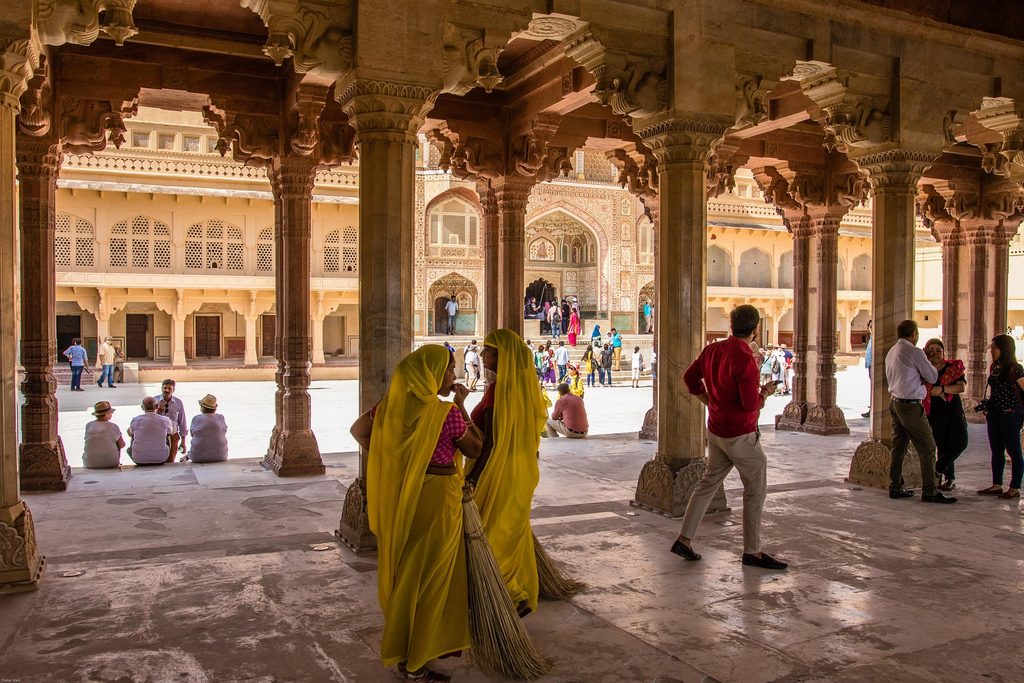
Timing a trip around one of India’s major festivals can turn a sightseeing trip into a genuine cultural immersion. The country’s festival calendar reflects its extraordinary religious and cultural diversity.
- Diwali (October/November): Known as the Festival of Lights, celebrated nationwide with oil lamps, fireworks, and family gatherings.
- Holi (March): The Festival of Colors, especially vibrant in Mathura and Vrindavan, the towns traditionally associated with Krishna.
- Pushkar Camel Fair (November): A major cultural and trading gathering in Rajasthan, blending livestock trading with religious pilgrimage.
- Durga Puja (September/October): Kolkata’s signature celebration, featuring elaborate temporary shrines and citywide festivities.
- Republic Day (January 26): Marked by a large military and cultural parade in Delhi.
Regional and Religious Festivals
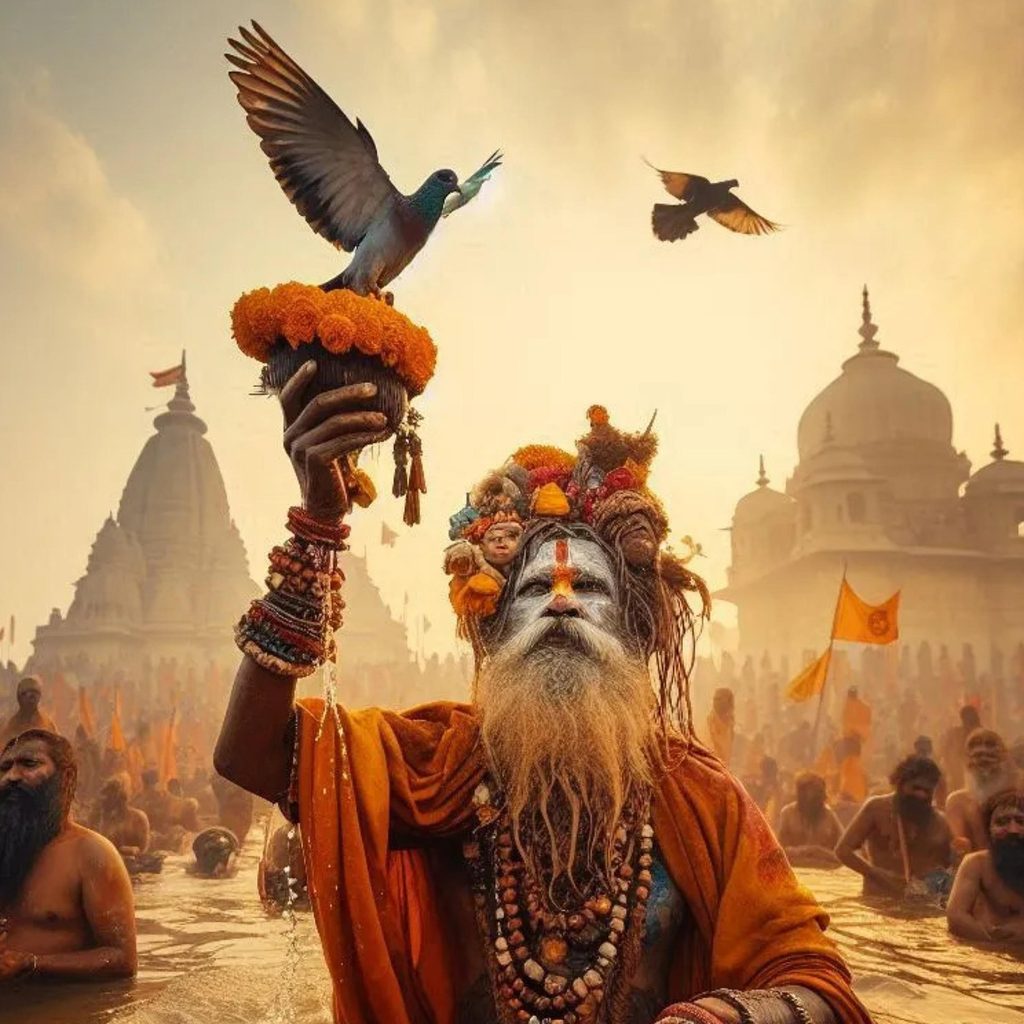
India’s festival calendar reflects its religious diversity, drawing from Hindu, Muslim, Sikh, Jain, Buddhist, and Christian traditions, each with distinct celebrations tied to different calendars and regions. The Kumbh Mela, one of the world’s largest religious gatherings, occurs on a periodic cycle at rotating sacred river locations — travelers interested in timing a trip around it should verify current dates through official Indian tourism sources, since the schedule follows a complex astrological and rotational pattern. [INTERNAL LINK: Understanding India’s Festival Calendar]
Best Time to Visit India on a Budget
Cheapest Months to Fly and Book Accommodation
Monsoon season, roughly July through September, typically brings the lowest airfares and hotel rates across much of the country. Travelers should also be aware that Diwali week and the December holiday period tend to drive prices up even outside peak winter tourist season.
Money-Saving Tips
- Travel during monsoon season or shoulder months like April and September.
- Book accommodations well in advance if traveling during peak winter months.
- Avoid major festival weeks like Diwali if budget is the top priority.
- Consider lesser-visited regions beyond the Golden Triangle for better value.
Things to Know Before You Go
Visa and Entry Requirements
US citizens generally need to arrange an e-Visa or traditional visa before traveling to India. Requirements and application processes can change, so it’s worth confirming current rules directly through India’s official visa website before booking.
Packing Tips by Season
- Winter: Layers for cool mornings and evenings, especially in Rajasthan and Delhi.
- Summer: Lightweight, breathable clothing, sun protection, and hydration supplies for plains travel.
- Monsoon: Waterproof layers, quick-dry clothing, and flexible plans for weather-related delays.
Health and Safety Considerations
Monsoon season can bring travel disruptions, including flooded roads and delayed flights, so building flexibility into your itinerary is wise. Summer heat in the plains also requires serious precautions, including staying hydrated and limiting outdoor activity during peak afternoon hours.
Sample Itineraries Based on Timing
Two-Week Winter Itinerary (Golden Triangle and Rajasthan)
Begin in Delhi exploring Mughal-era landmarks, continue to Agra for the Taj Mahal, then spend the remaining days traveling through Jaipur, Jodhpur, and Jaisalmer in comfortable winter temperatures.
Two-Week Monsoon Itinerary (Kerala and Western Ghats)
Start in Kochi exploring its colonial-era architecture, then head into Kerala’s backwaters for a houseboat journey before finishing in the lush, misty hill stations of the Western Ghats.
Conclusion
There’s no single answer to the best time to visit India — there’s only the best time for the specific experience you’re after. Festival lovers and first-timers tend to do best in the cool, celebratory winter months, hill-station seekers should aim for summer, and travelers chasing lush landscapes and lower prices will find monsoon season surprisingly rewarding.
The real key to planning a great Indian trip isn’t finding one universally perfect month. It’s matching India’s three seasons and dramatically different regions to what you actually want to see and feel. Start there, and the rest of your itinerary will come together naturally.
Curious what else shapes a trip to India? Explore our guide to [INTERNAL LINK: Delhi’s Historic Neighborhoods and Mughal Architecture] to continue building your itinerary.
E. FAQ Section
What is the best time to visit India overall?
For most travelers, October through March offers the most comfortable weather across northern and central India, along with peak festival season.
What is the best time to visit India for the Taj Mahal?
October through March provides cooler, more comfortable conditions for sightseeing in Agra, avoiding both summer heat and monsoon rain.
Is it better to visit India during monsoon season?
It depends on the region. Kerala and the Western Ghats become lush and vivid during monsoon, while northern India’s plains are generally less ideal due to heavy rain and travel disruptions.
What is the cheapest time to visit India?
Monsoon season, roughly July through September, typically offers the lowest airfares and accommodation rates nationwide.
What is the best time to visit India for festivals like Diwali and Holi?
Diwali typically falls in October or November, while Holi falls in March — both offer excellent opportunities for deep cultural immersion.