


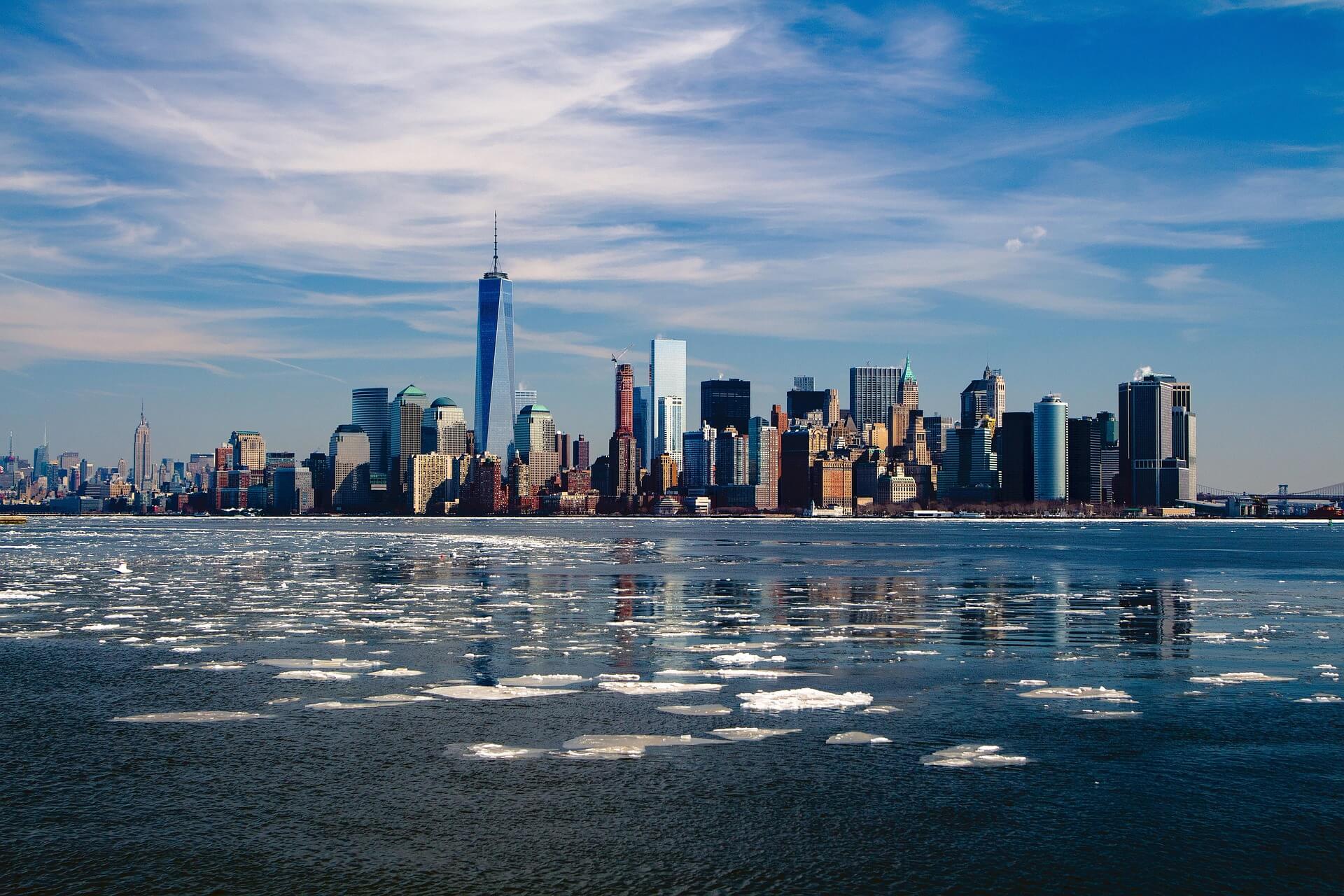

There is a moment in late September when New York City feels like it is breathing again. The summer heat lifts from the pavement, Broadway marquees glow brighter against cooler evenings, and the energy that defines the city returns with fresh purpose. Locals emerge from their summer sanctuaries, restaurants reclaim their sidewalk tables, and cultural institutions announce fall programming. This particular moment taught me something that every seasoned traveler eventually discovers: New York is not a single city frozen in time. It is a living, shifting entity that transforms with each season, revealing different facets of its character, history, and soul.
Choosing the best time to visit New York depends far less on a calendar date and much more on understanding what draws you to the city in the first place. Are you captivated by the literary history of Greenwich Village? Drawn to outdoor concerts and harbor views? Interested in how immigration shaped the city’s neighborhoods? Seeking the quiet intimacy of winter museums? This guide walks you through seven distinct seasonal experiences, each with its own weather patterns, cultural events, crowd dynamics, and authentic local rhythms. You will discover not just when to travel, but why each season matters to understanding New York’s true identity.
Why Timing Matters When Planning a Trip to New York
How New York’s Seasons Shape the Travel Experience
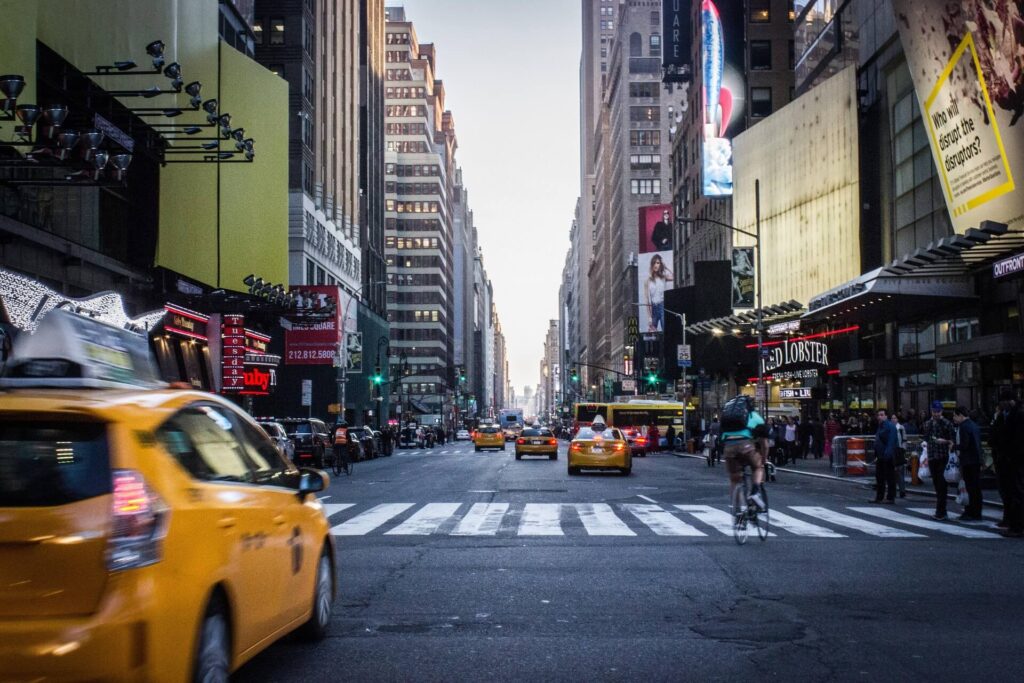
New York’s location along the Atlantic coast creates dramatic seasonal swings that ripple through every aspect of city life. The city sits at a convergence point where continental weather systems meet maritime influences, producing weather that ranges from humid summer heat above 85 degrees Fahrenheit to winter temperatures that can dip below freezing. This variation is not merely an inconvenience to plan around. It fundamentally shapes how you experience neighborhoods, how museums operate, which festivals occur, and even which restaurants prioritize indoor or outdoor dining.
Spring transforms Central Park into a gallery of cherry blossoms and tulips, extending an invitation to walk rather than rush. Summer energy literally moves outdoors, as concerts in parks, festivals on streets, and rooftop gatherings become central to the city’s character. Fall delivers the ideal combination of comfortable temperatures and cultural programming that makes New York feel like it is performing specifically for visitors. Winter wraps the city in a cinematic quality, with holiday lights, holiday markets, and fewer crowds creating a more intimate urban experience.
Beyond weather, each season triggers different patterns in the city’s cultural calendar. Broadway opens new productions on different schedules. Museums launch seasonal exhibitions. Neighborhoods host festivals that have been part of the city’s identity for decades. Understanding these patterns helps you move beyond generic tourism and into authentic engagement with the city.
What Every US Traveler Should Know Before Choosing a Month
Flight costs from US hubs like Atlanta, Chicago, and Los Angeles fluctuate dramatically by season. A roundtrip ticket to New York in mid-January might cost $280, while the same flight in early December might run $550. Hotel availability and pricing follow similar patterns. A room that costs $180 in February might cost $400 in September. These cost differences exist for reasons directly connected to demand, which itself connects to weather, events, and crowd levels.
Beyond economics, timing affects the texture of your experience. Peak season travelers (June through August, late November through December, and March through April) enjoy maximum cultural programming but navigate larger crowds at major attractions. The Metropolitan Museum of Art might have a two-hour wait to enter during peak times, while the same museum in February might be walkable within 15 minutes. Some travelers prefer the energy of crowds and the abundance of events. Others seek deeper, quieter engagement with neighborhoods and institutions.
Shoulder seasons, those periods between peak and low demand, often represent the optimal balance. Late April through May, late August through October, and late January through early March typically combine reasonable prices, manageable crowds, and excellent weather.
Spring in New York: Blossoms, Festivals, and Riverside Walks
March to May Highlights
Spring arrival in New York follows a predictable but always celebrated progression. Late March brings the first signs: crocuses and snowdrops appearing in Central Park, restaurant patios being cleaned and prepared, and locals reclaiming the streets after winter hibernation. By April, the cherry blossoms emerge, creating temporary gardens of white and pink blooms along the Central Park Reservoir and near the Roosevelt Island waterfront. Photography enthusiasts and Instagram users descend upon these spots, but the experience remains meaningful because these blossoms have marked New York spring for generations.
April also brings the New York International Auto Show, a massive event at the Jacob Javits Center that attracts car enthusiasts from across the region. More culturally significant to many travelers, April opens the spring theater season on Broadway, with numerous new productions debuting. The NYC Half Marathon in March attracts runners and spectators, creating a sense of athletic community across multiple neighborhoods.
May transforms the city into festival season. The Ninth Avenue International Food Festival draws crowds to Hell’s Kitchen, celebrating culinary traditions from dozens of countries. Shakespeare in the Park begins rehearsals and preliminary performances at the Delacorte Theater in Central Park, which become free public experiences by June. Flower markets burst into activity, and rooftop gardens transition from storage spaces to gathering spots.
Neighborhood Tips for Spring Visitors
Spring weather (temperatures typically 45 to 65 degrees Fahrenheit) makes walking the primary way to experience neighborhoods. Greenwich Village invites slow exploration through tree-lined streets where literary history feels tangible. Walk Bleecker Street and recall its role in the folk music scene of the 1960s. Visit the Stonewall Inn and understand its pivotal importance to LGBTQ+ history. Stop at White Horse Tavern, where poet Dylan Thomas spent his final evening.
Lower Manhattan rewards spring walkers with comfortable conditions for exploring Federal Hall, where George Washington took the oath of office in 1789. The South Street Seaport historic district reveals maritime history through preserved architecture and cobblestone streets. Battery Park offers views toward Ellis Island and the Statue of Liberty without the overwhelming summer crowds.
Brooklyn’s Botanic Garden offers spring programming designed for different seasons of bloom, from April tulips through May perennials, without the overwhelming energy of summer events. The waterfront parks in Long Island City and Williamsburg provide views of the Manhattan skyline across the East River, a perspective that reveals the city’s scale and geography in ways that ground-level Manhattan tours cannot.
Summer in New York: Concerts, Harbor Nights, and Outdoor Culture
June to August Highlights
Summer in New York is the season when the city performs outdoors, turning parks, streets, and waterfront areas into stages for cultural expression. SummerStage in Central Park begins in June, offering free concerts that range from classical music to hip-hop, attracting diverse audiences across the city’s communities. These are not tourist experiences. They are neighborhood traditions that New Yorkers have attended for decades.
The Fourth of July celebrates Independence Day with the Macy’s fireworks over the East River, a spectacle that draws approximately one million spectators. The experience is chaotic, crowded, and quintessentially American. The display itself, synchronized to music, offers a 40-minute visual narrative that feels both nostalgic and contemporary.
Shakespeare in the Park runs through August, with the Delacorte Theater in Central Park hosting professional productions that draw theater enthusiasts and first-time Shakespeare audiences. The competition for free tickets is fierce, with people lining up hours before distribution, but the experience of watching theater under open sky, surrounded by trees and city lights, creates an intimacy that indoor theaters cannot replicate.
June brings the Puerto Rican Day Parade, one of the city’s most vibrant and culturally significant celebrations, drawing millions of spectators and reflecting centuries of Puerto Rican immigration and cultural contribution to New York. July brings the Harlem Week cultural festival, celebrating African American history, music, and visual arts across multiple venues. August offers the final weeks of outdoor dining and rooftop gatherings before weather patterns shift toward fall.
Summer in the Five Boroughs
Summer experience varies dramatically across New York’s five boroughs. Coney Island in Brooklyn remains an escape steeped in nostalgia, with its wooden boardwalk, amusement park, and the famous Nathan’s Famous hot dogs stand (operating continuously since 1916). The beach culture at Coney Island, Brighton Beach, and Rockaway in Queens offers a distinctly different New York experience from Manhattan, with immigrant communities, Russian-speaking neighborhoods, and authentic beach recreation replacing skyscraper views.
The Bronx welcomes baseball fans to Yankee Stadium, home since 1923 to one of sports’ most storied franchises. Attending a Yankees game in summer offers not just baseball but also a glimpse into how immigrant communities, particularly Latin American and African American communities, have shaped the sport and the city.
Staten Island offers quieter parks, the free ferry ride providing unexpected skyline views, and neighborhoods like Snug Harbor with their botanical gardens and historic mansion museums. Manhattan’s rooftop scene explodes in summer, with bars, restaurants, and gathering spaces opening their upper levels to the cooling evening air and the view of surrounding boroughs.
Fall in New York: Foliage, Film, and Literary Energy
September to November Highlights
Fall may be the most celebrated season among both New Yorkers and returning visitors. Labor Day passes, and the city shifts its identity almost overnight. Students return to universities, office workers return from summer Fridays, and cultural institutions announce their most ambitious programming. The New York Film Festival begins in late September at Lincoln Center, attracting cinephiles and film industry professionals. The festival has operated since 1963 and remains one of the most respected film events in the world, showcasing premieres and retrospectives that shape global cinema conversations.
October brings the Village Halloween Parade through Greenwich Village, a tradition running since 1974 that has evolved into one of the largest public celebrations in the United States, drawing 60,000 participants and over two million spectators. The parade is not organized by a single entity but emerges from the neighborhood itself, with participants creating elaborate costumes, performances, and theatrical moments that transform streets into stages.
Fall foliage peaks typically in late October through early November, particularly in upstate New York and nearby states. Many New Yorkers plan day trips or weekend escapes to see fall colors, but Central Park offers urban foliage watching without leaving Manhattan. Riverside Park along the Hudson River provides dramatic views of trees reflected in water.
November builds toward Thanksgiving and the Macy’s Thanksgiving Day Parade, but the truly local experience centers on the balloon inflation nights the evening before the parade. Massive character balloons are inflated to full size in the streets of Manhattan’s Upper West Side, creating a surreal, fantastical landscape that draws locals far more than the parade itself.
Autumn Walks and Cultural Discoveries
Fall weather (temperatures typically 50 to 70 degrees Fahrenheit) makes walking not just comfortable but genuinely pleasurable. Riverside Park along the Hudson River offers unobstructed views and paths where the city skyline creates a backdrop for nature’s seasonal changes. The park has been part of New York’s infrastructure since Robert Moses developed it in the 1930s as part of his larger vision for public spaces.
Harlem’s historic avenues reveal layers of African American history and architecture. Walk along 125th Street, where the Apollo Theater has hosted performers since 1934 and continues to serve as a cultural institution. Explore the brownstone neighborhoods of the Sugar Hill area, where Renaissance artists and intellectuals lived in the 1920s and 1930s. Visit the Schomburg Center for Research in Black Culture, a museum and research center that preserves African American history.
Museum Mile along Fifth Avenue (roughly 82nd to 105th Streets) features 19 museums within a single stretch, including the Metropolitan Museum of Art, the Museum of the City of New York, and the Jewish Museum. Fall programming at these institutions typically includes new exhibitions, artist talks, and special events. [INTERNAL LINK: Museum Mile Walking Guide and Cultural Heritage]
The High Line in Chelsea, a converted elevated railroad now serving as a public park, offers a unique perspective on the city’s industrial past transformed into contemporary green space. The park opened in 2009 but walks on the actual High Line date to the 1980s when artists first discovered the abandoned structure.
Winter in New York: Holidays, Lights, and Historic Charm
December to February Highlights
Winter transforms New York into a postcard aesthetic, and December in particular taps into nostalgia and cinematic imagery that has defined American holiday celebrations for decades. The Rockefeller Center Christmas Tree, standing roughly 75 feet tall, arrives in mid-November via truck from the Hudson Valley and is illuminated by approximately 50,000 lights. The tree has been a tradition since 1933 and represents continuity through economic depressions, wars, and cultural changes.
Holiday window displays along Fifth Avenue and other major shopping streets involve elaborate storytelling, mechanical displays, and artistic vision that transforms storefronts into galleries. Department stores like Bergdorf Goodman and Saks Fifth Avenue invest significant resources in these displays, which have become cultural artifacts worthy of walking tours and dedicated photography.
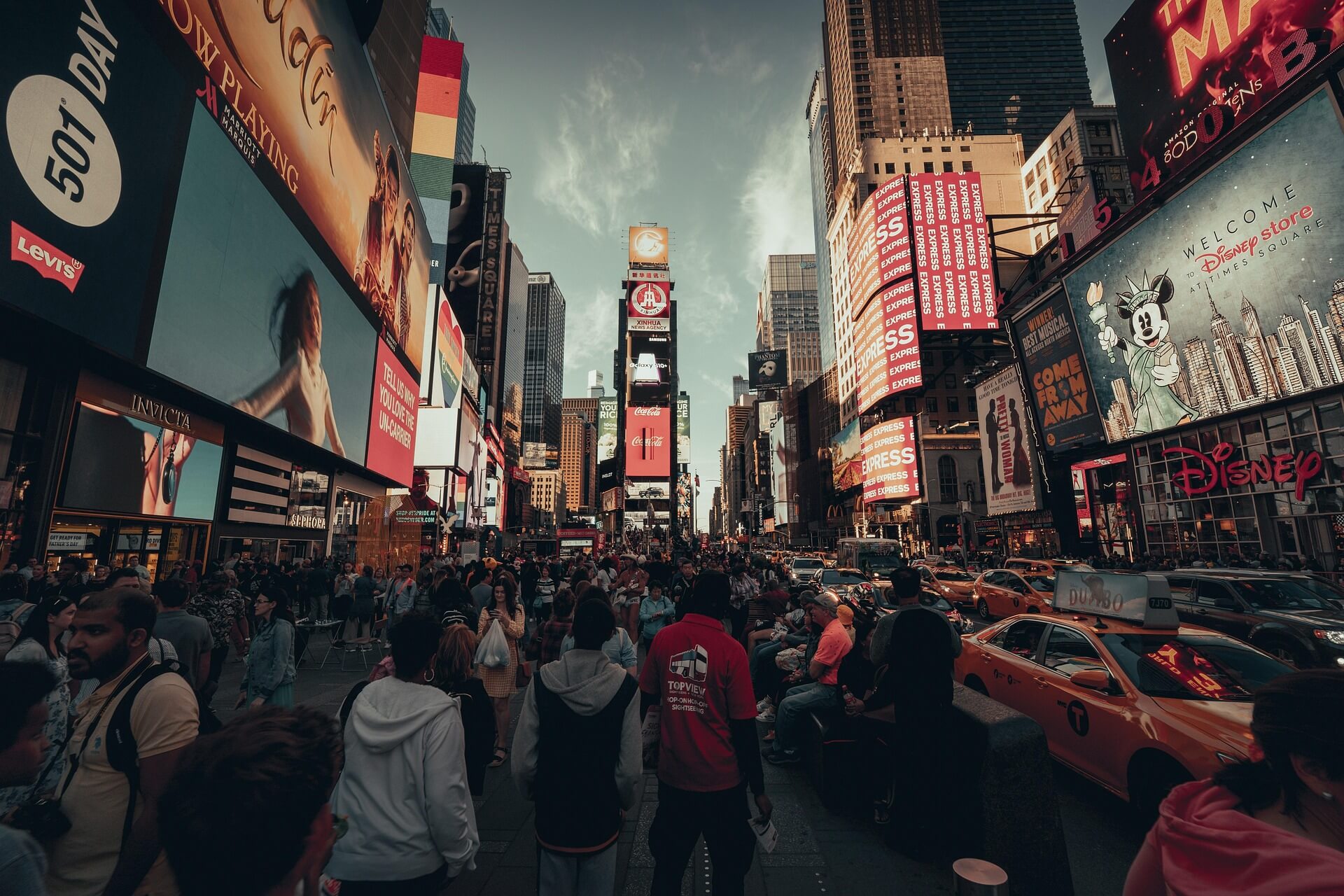
New Year’s Eve in Times Square remains a bucket-list item for many travelers, with approximately one million people gathering in a concentrated area to watch the famous ball drop at midnight. The experience is crowded, expensive, and often uncomfortable, but it remains a global symbol of New Year’s celebration, broadcast to viewing audiences worldwide.
January and February offer quieter but equally rich experiences. Winter Jazzfest, typically held in early January, brings jazz programming to venues across the city, offering opportunities to hear live jazz in historic clubs like the Blue Note and Village Vanguard. Lunar New Year celebrations in Chinatown, typically in late January or early February depending on the lunar calendar, bring parades, firecracker ceremonies, and special programming to the neighborhood.
Warm Indoor Experiences for Cold Days
Winter weather (temperatures typically 25 to 40 degrees Fahrenheit) makes museums and indoor cultural spaces genuinely attractive rather than refuge alternatives. The Metropolitan Museum of Art houses approximately 2 million artworks across 17 departments, representing cultures from ancient Egypt to contemporary times. The museum’s architecture itself, designed by architect Richard Morris Hunt and expanded over decades, is a landmark worthy of study. [INTERNAL LINK: Metropolitan Museum of Art Guide for First-Time Visitors]
The Museum of Modern Art (MoMA) has shaped global understanding of modern and contemporary art since 1929. Its collection includes works that defined entire artistic movements. The American Museum of Natural History, founded in 1869, offers immersive experiences through its dioramas, planetarium shows, and exhibitions that explore natural world diversity.
Historic taverns and bars offer warmth and cultural perspective. McSorley’s Old Ale House, operating continuously since 1854, serves only ale and cider in a crowded, atmospheric space where strangers become companions. The bar has hosted everyone from President Abraham Lincoln to contemporary writers, and its unchanged interior represents a form of time travel to a different era of New York.
Speakeasy-inspired bars, reviving a tradition from Prohibition era (1920-1933) when illegal bars operated throughout the city, offer themed experiences that combine cocktails with theatrical atmosphere. Some bars maintain authentic locations from the Prohibition era, including passages and hidden entrances that served their original purpose.
Chinatown’s Lunar New Year celebrations bring color and energy to neighborhood streets. Parades feature traditional dragons, martial arts demonstrations, and community performances. Restaurants and shops offer special foods associated with the new year, including whole fish (representing abundance), noodles (representing long life), and dumplings (representing wealth).
Shoulder Seasons: Quiet Months With Big Rewards
Late January to Early March
This window represents the secret of experienced budget-conscious travelers and those seeking authentic neighborhood experiences. Hotel rates drop significantly, with average prices declining 40 to 60 percent from peak seasons. Flight fares follow similar patterns, particularly midweek departures.
The reduced cost structure does not mean reduced cultural programming. Restaurant Week, typically held in January and again in June, offers three-course meals at fixed prices (often $26 for lunch, $42 for dinner) at hundreds of participating restaurants, allowing visitors to dine at establishments that would otherwise require larger budgets.
Broadway theater offers preview shows of upcoming productions, often at reduced prices compared to opening night performances. The winter museum programming, though not as extensive as fall, still offers meaningful exhibitions. The city feels more local, with fewer international visitors crowding major landmarks.
Late August to Early October
This shoulder season combines warm weather (typically 65 to 80 degrees Fahrenheit) with declining crowds. Families with school-age children have returned home, reducing some visitor volume. Hotel rates remain lower than peak summer, while cultural programming maintains summer’s energy.
Fashion Week occurs in September, bringing industry professionals, press, and fashion enthusiasts to the city for presentations and events. Art gallery openings accelerate as the art world season begins after summer closures. The High Line parks, Brooklyn waterfront parks, and outdoor cultural spaces remain active without summer’s overwhelming crowds.
Best Time to Visit New York by Traveler Type
For History Lovers
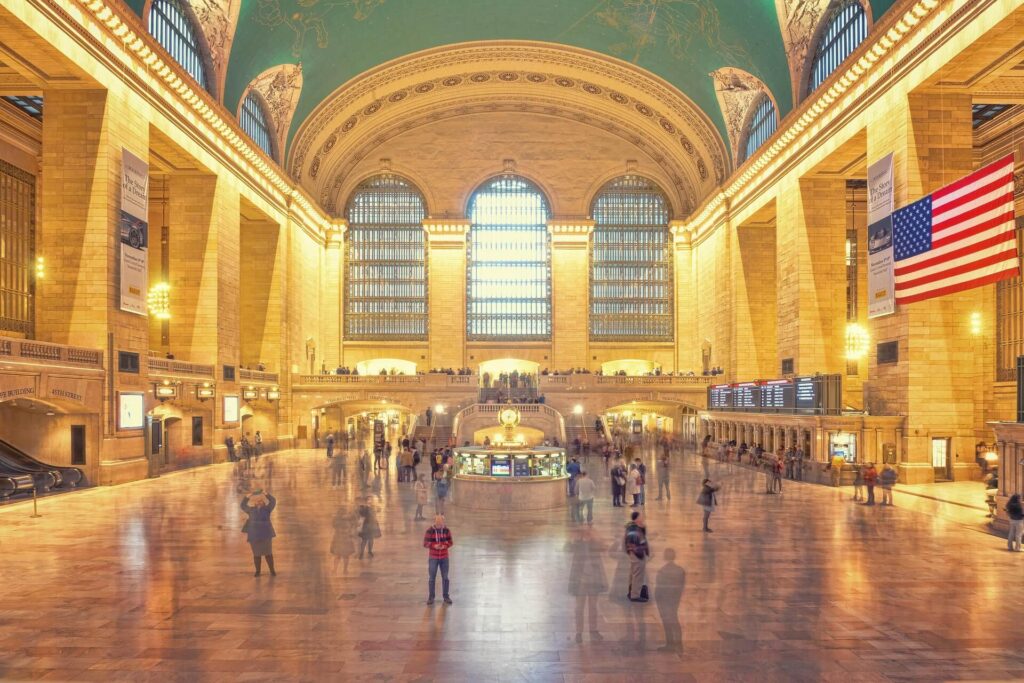
Spring and fall provide ideal conditions for exploring historic sites. Federal Hall, located at 26 Wall Street, marks the location where George Washington took the oath of office in 1789, initiating American presidency. The building itself, designed in the 1840s in Greek Revival style, houses exhibits about early American government.
Ellis Island, accessible by ferry from Battery Park, served as the entry point for approximately 12 million immigrants between 1892 and 1954. The island remains a museum dedicated to immigration history, housing original registry records and artifacts that document the immigrant experience. The ferry ride itself offers views of the Statue of Liberty and the harbor landscape that greeted arriving immigrants.
The Tenement Museum in the Lower East Side preserves a tenement building where immigrant families lived in cramped conditions during the late 19th and early 20th centuries. Guided tours through actual apartments reveal how families created homes in difficult circumstances, documenting the lives of Italian, German, Jewish, and Chinese immigrants. [INTERNAL LINK: Lower East Side Immigration History and Tenement Life]
The African Burial Ground National Monument, a relatively recent national monument (designated in 2006), memorializes the burial site of enslaved and free African Americans in lower Manhattan during the 17th and 18th centuries. The site documents the presence and contributions of African Americans in New York’s early history, a narrative often excluded from mainstream historical narratives.
For Festival and Culture Seekers
Summer delivers maximum outdoor programming, with concerts in Central Park, Shakespeare productions, and waterfront festivals creating daily opportunities for cultural engagement. Winter brings holiday markets, holiday performances, and parades that have been part of the city’s cultural calendar for decades.
Fall offers the most concentrated cultural programming, with museums launching new exhibitions, the film festival attracting cinephiles, and neighborhood celebrations like the Halloween Parade drawing massive participation. Spring festivals celebrate immigrant communities and renewal themes.
For Budget-Conscious US Travelers
Mid-January through early March typically offers the lowest combined cost for flights and accommodations. Flying from Midwest and West Coast hubs on Tuesdays or Wednesdays reduces airfare further. Late August extends this window with end-of-summer hotel discounts.
Restaurant Week in January and June allows dining at otherwise expensive restaurants at fixed, reduced prices. Museum hours and free admission programs vary, with several museums offering pay-what-you-wish hours on specific evenings.
Local Insights: How New Yorkers Experience Their City
Seasonal Food Traditions
New York food culture shifts with seasons in ways that reflect immigrant influences and agricultural patterns. Spring brings fresh strawberries, asparagus, and ramps to farmers markets. Local chefs emphasize lighter preparations after winter’s heavier foods. Bagel shops, delis, and breakfast spots adapt their offerings toward fresher ingredients.
Summer means lobster rolls at seafood shacks in neighborhoods like Red Hook in Brooklyn and the Lower East Side. Outdoor dining explodes, with restaurants setting tables on sidewalks and creating street-level community spaces. Ice cream shops open permanent outdoor windows, and rooftop bars serve cocktails under evening skies.
Fall introduces apple cider donuts, pumpkin-themed foods, and squash preparations that appear in restaurant menus and farmer’s markets. Oktoberfest celebrations occur in neighborhoods with German heritage, featuring beer, pretzels, and traditional foods. The Jewish High Holidays in September and October bring traditional foods like challah and apples with honey to bakeries and restaurants.
Winter calls for hot chocolate at City Bakery, a beloved New York institution famous for its hot chocolate (served in bowls with whipped cream and chocolate chip shards). Jewish deli food, reflecting the neighborhood heritage, becomes comfort food during cold months. Dim sum restaurants in Chinatown offer warming, communal dining experiences.
Cultural Identity Through the Year
New York’s identity is fundamentally shaped by immigrant communities and their traditions, which persist through seasonal celebrations. The Puerto Rican Day Parade in June, operating since 1967, represents generations of Puerto Rican migration to New York and their cultural contributions to music, art, literature, and sports. The parade includes elaborate floats, marching bands, and community contingents, with participants ranging from cultural organizations to political groups.
The West Indian American Day Carnival in September, centered on Brooklyn’s Eastern Parkway, represents Caribbean immigration and culture. The carnival includes calypso music, traditional foods, and elaborate costumes reflecting cultural traditions from across the Caribbean region.
Lunar New Year celebrations in February reflect Chinese, Vietnamese, and broader East Asian immigration and cultural presence. Chinatown streets fill with parades featuring traditional dragons, martial arts demonstrations, and firecrackers (or in modern times, firecracker sound recordings). Restaurants offer special menus, and the celebration extends across multiple neighborhoods including Flushing in Queens, which has become a major Asian cultural center.
These celebrations are not tourist performances. They are living expressions of how immigrant communities have shaped New York’s identity, preserved cultural traditions across generations, and contributed to the city’s evolving character.
Planning Your Trip: Practical Tips for US Visitors
Booking Flights and Hotels by Season
Compare fares into three major airports serving the New York area: John F. Kennedy International Airport (JFK) in Queens, LaGuardia Airport (LGA) in Queens, and Newark Liberty International Airport (EWR) in New Jersey. Prices vary depending on airport, with Newark often offering lower fares but requiring additional transportation into Manhattan.
Book early for September and December travel, when demand spikes. Conversely, book immediately after seeing low fares for January, February, and August, as these windows have limited availability at the lowest prices.
Use weekday flights to reduce costs. Tuesday and Wednesday departures and returns typically cost 10 to 20 percent less than weekend flights. Midday flights (10 AM to 3 PM) often cost less than early morning or evening flights.
Hotel selection varies by neighborhood and budget. Manhattan hotels in Midtown and Times Square offer convenient access to major attractions but represent tourist-focused accommodations. Brooklyn hotels in Williamsburg, Park Slope, and Bed-Stuy offer more neighborhood-authentic experiences, often with lower prices and shorter subway rides than expected. Queens hotels near the waterfront in Long Island City offer views and access to diverse neighborhoods.
Getting Around the City
A 7-day unlimited MetroCard costs approximately $33 and covers unlimited subway and bus travel. Single-ride fares cost $2.90. The MetroCard system has operated since 1997 and remains the primary transportation method for locals and visitors.
Walking remains the best way to experience neighborhoods, with distances that feel longer on maps than in reality. A walk from Times Square to Washington Square Park (roughly one mile) traverses multiple neighborhood transitions and offers encounters with street life, architecture, and local businesses that subway travel misses.
The Staten Island Ferry offers free transportation between lower Manhattan and Staten Island, with the 25-minute journey providing unexpected views of the harbor, Liberty Island, and surrounding landscape. Locals use the ferry as both transportation and an affordable recreation.
Taxi services, including yellow cabs and app-based services like Uber, offer alternatives to subways but cost significantly more and often move slowly through congested streets. Biking has increased dramatically with the Citi Bike system, allowing short-term bike rentals for neighborhood exploration.
Conclusion
The best time to visit New York ultimately depends on which version of the city’s multifaceted identity resonates with you. Spring offers renewal and the invitation to walk neighborhoods. Summer delivers cultural performances and outdoor gatherings. Fall combines comfortable weather with concentrated programming and city-wide energy. Winter wraps the city in nostalgia and holiday magic. Each season has genuinely authentic experiences to offer, each shaped by the city’s history, immigrant communities, and continuously evolving cultural traditions.
Rather than waiting for a perfect month or ideal conditions, consider planning your visit around specific interests: attend the film festival, explore historic neighborhoods, experience a cultural parade, or discover quiet museum hours. When you arrive, move slowly enough to notice details—the architecture of a building, the way light falls on a street, conversations overheard in cafes. This is how you feel the city’s soul, and this is what transforms a visit into a memory that stays with you long after you return home.
Ready to explore another destination shaped by history and culture? Continue your journey through [INTERNAL LINK: SoulOfCities Global City Guides] and discover the unique soul of cities worldwide.
FAQ Section
What is the cheapest time to visit New York?
Mid-January through early March typically offers the lowest combined costs for flights and hotels, with prices 40 to 60 percent lower than peak seasons. Late August through early September also offers reduced rates as summer ends and fall programming has not yet driven demand to autumn peaks.
When is the best time to visit New York for families?
Spring and early fall provide mild weather, school break schedules, and family-friendly programming including outdoor concerts, parks, and museums with educational activities. Summer offers more flexibility with school schedules but brings crowds and heat. Winter holidays, particularly early December, appeal to families seeking holiday experiences and festive atmospheres.
Which season is best for first-time visitors?
Spring and fall balance comfortable weather, diverse programming, manageable crowds, and neighborhood walkability. First-time visitors benefit from mild temperatures that make extensive walking pleasurable and cultural events that reveal how the city functions beyond major landmarks.
When is the best time to visit New York for Christmas and holiday experiences?
Early December allows visitors to enjoy holiday windows, markets, and Rockefeller Center lighting without the extreme crowds and high prices of mid-December through December 24. Early December also offers better hotel availability and more restaurant reservations.
How many days are enough for a New York trip?
Four to six days allows time to explore multiple neighborhoods, visit 2 to 3 major museums, catch a Broadway performance, take a guided tour of historic areas, and experience local restaurants and cafes. A week-long visit permits deeper exploration, including day trips to nearby destinations or visiting additional museums.
Sources to Verify
- NYC & Company (official tourism board): www.nycgo.com
- Central Park Conservancy: www.centralparknyc.org
- Macy’s official event pages: www.macys.com/social/7thonsnye and www.macys.com/social/parade
- Metropolitan Museum of Art: www.metmuseum.org
- Museum of Modern Art (MoMA): www.moma.org
- New York Public Library research collections
- NYC Department of Parks and Recreation event calendar: www.nycgovparks.org
- New York Historical Society: www.nyhistory.org
- Ellis Island Museum of Immigration: www.libertyellisfoundation.org
- Tenement Museum: www.tenement.org
- Schomburg Center for Research in Black Culture: www.nypl.org/locations/schomburg
- Apollo Theater: www.apollotheater.org
- Lincoln Center for the Performing Arts: www.lincolncenter.org
- Village Halloween Parade: www.halloween-nyc.com