



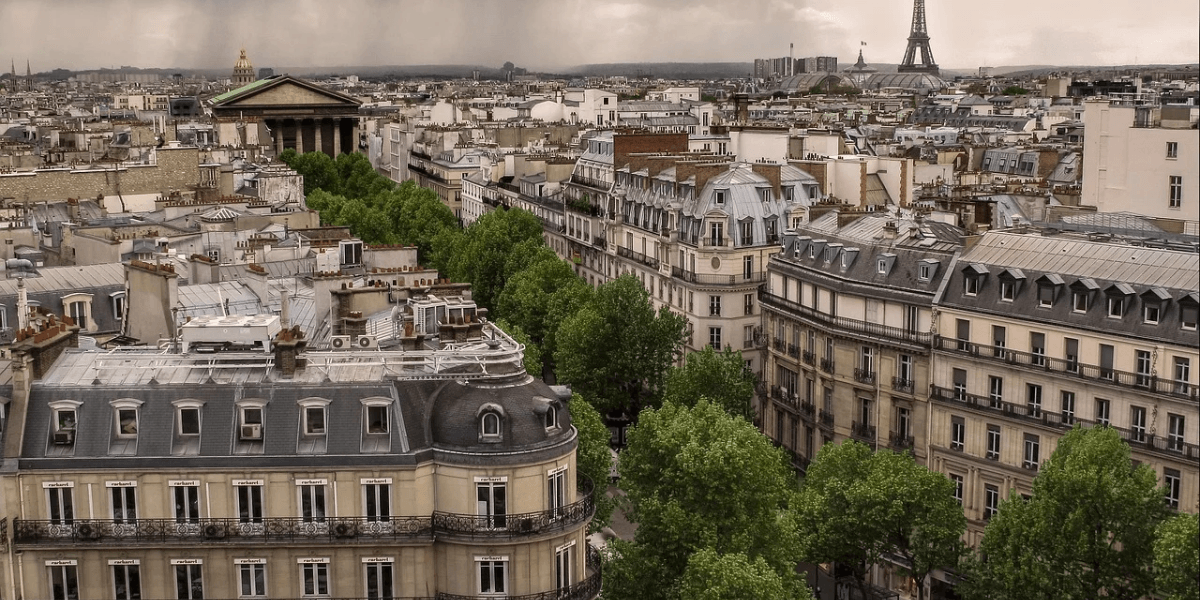

Have you wondered whether a secret window exists for enjoying the French capital without crushing crowds? Finding that moment requires careful thought.
Our guide supports your paris vacation planning by comparing weather patterns with seasonal costs. We show how spring blooms and autumn leaves create calmer settings than busy summer months.
Your ideal time to visit paris depends on your personal priorities. Whether you want long, sunny days or quiet museum strolls, your choice reflects your unique journey. This article helps you choose the best time to visit paris.
Best time to visit Paris: How to choose the right season
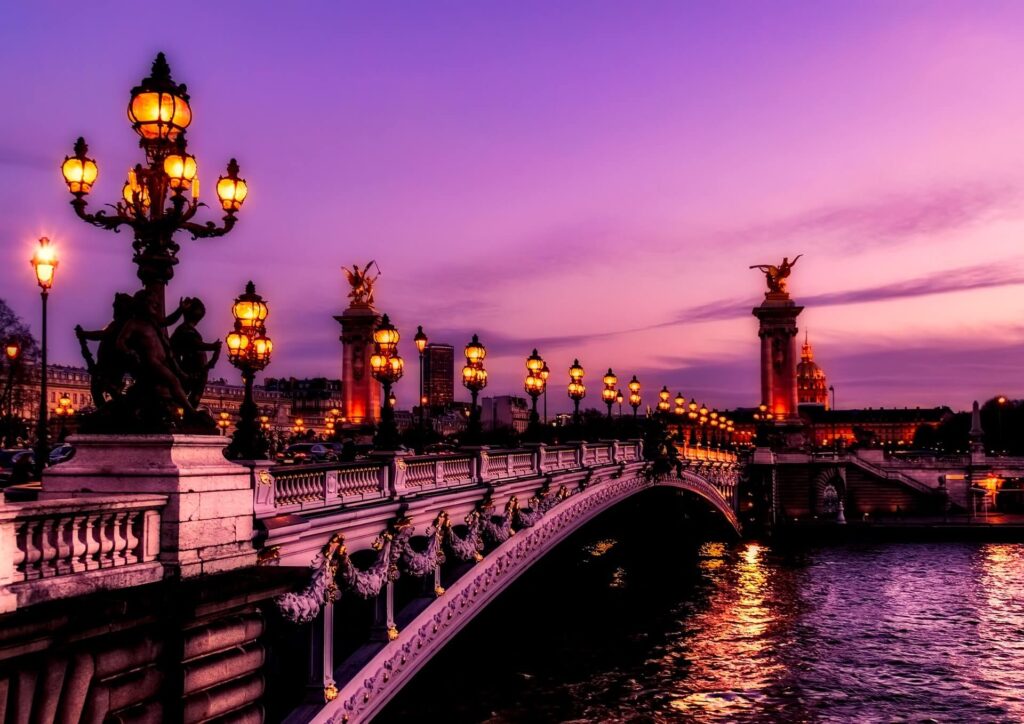
Planning a trip to the City of Light means choosing dates that fit your expectations. Good paris vacation planning starts by deciding what matters most, such as sunny weather or lower costs. The best time to visit paris balances your preferences with the local calendar.
Match your travel priorities with Paris’s seasons
Every traveler has a unique vision for a French getaway. Some prefer warm, sunny days in the Tuileries Garden, while others enjoy quiet winter museum visits.
Weather, sightseeing, events, prices, and crowd levels
Consider how weather will shape your daily plans. Summer brings high temperatures and long days, while autumn and spring offer a comfortable middle ground for sightseeing. Major events, such as Fashion Week and national holidays, can raise hotel prices and crowd levels.
Understand Paris’s peak, shoulder, and off-peak travel periods
Understanding the city’s rhythm can make your journey less stressful. The peak travel season in paris usually runs from June through August, when attractions face the highest demand.
How the tourist season affects availability and planning
The paris tourist season determines how early you should make reservations. During busy months, book timed-entry tickets for landmarks like the Louvre to avoid long lines. For a calmer trip, consider off-peak travel in paris during late autumn or winter.
Quieter periods often offer better value and easier access to popular restaurants. No matter when you travel, smart paris travel tips, such as flexible bookings, can help you handle schedule changes.
Spring in Paris: Blossoms, mild weather, and rising demand

Many travelers consider spring the ideal time to visit Paris for mild weather and blooming gardens. Spring marks a beautiful shift as the city awakens from its winter slumber.
What Paris weather is like from March through May
The paris climate is unpredictable but generally pleasant during these months. Temperatures rise steadily, from March’s crisp air to May’s gentle sunshine.
Temperatures, rainfall, daylight, and what to pack
Daytime temperatures range from the high 40s in early spring to the comfortable 60s by late May. Daylight lasts longer, but occasional rain showers remain common. Packing layers is essential for changing conditions throughout the day.
Why spring is ideal for gardens, neighborhoods, and outdoor cafés
As the city turns green, public parks like the Jardin du Luxembourg become perfect spots for relaxing afternoons. Neighborhood walks are especially enjoyable when trees begin to bud and the local atmosphere feels renewed. Outdoor café culture thrives during this season, offering a front-row seat to Parisian life.
Spring events and seasonal experiences worth planning around
Spring brings unique opportunities to see the city at its best. Warmer days encourage locals and visitors to explore the historic streets.
Cherry blossoms, Easter travel, and major cultural attractions
Delicate cherry blossoms framing the Eiffel Tower delight many photographers. If you visit around Easter, you can enjoy special holiday markets and festive displays. Major museums also host exclusive seasonal exhibitions that attract art lovers from around the globe.
Spring crowds and prices compared with summer
While the paris weather is inviting, travel demand rises as spring peaks. You will see more visitors in May than in March, and hotel rates will rise. However, prices usually stay below peak summer rates, making spring smart for balancing cost and comfort.
Summer in Paris: Long days, lively streets, and peak-season crowds
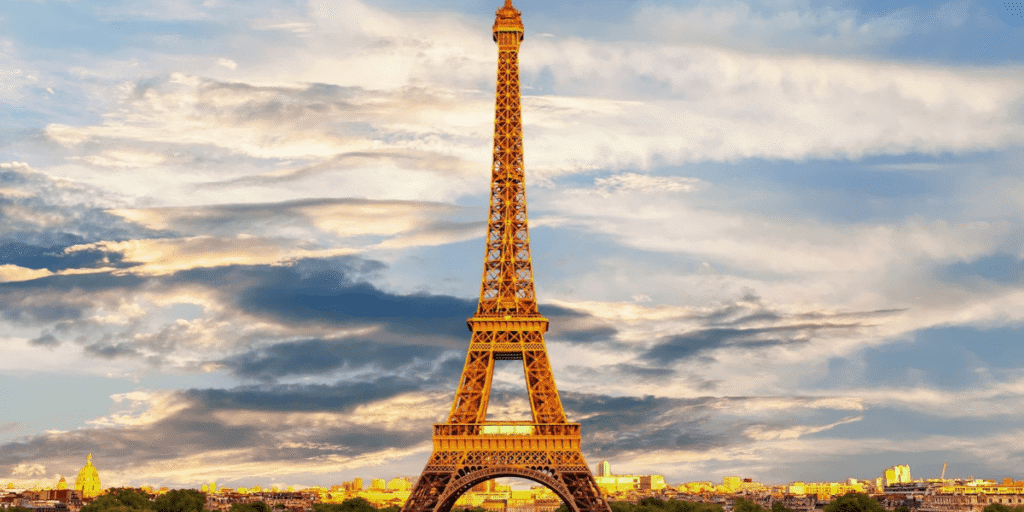
The peak travel season in Paris brings magic to streets, parks, and riverbanks. Long daylight hours create more time for sidewalk cafés and Seine walks. However, the lively paris tourist season also brings bustling crowds.
Paris climate from June through August
Understanding the typical paris climate helps you plan a comfortable trip. Temperatures are warm, but conditions can change quickly. Many days are sunny, while humidity and sudden summer showers sometimes arrive.
Heat, humidity, rain showers, and comfortable sightseeing strategies
To enjoy the summer paris weather, plan your sightseeing for the early morning hours when temperatures are cooler. Visit shaded parks, such as the Jardin du Luxembourg, during afternoon heat. Carry a light umbrella for unpredictable summer rain.
How summer crowds affect landmarks and restaurant reservations
During the peak travel season in Paris, popular landmarks like the Eiffel Tower and the Louvre get busy. You should book your tickets online well in advance to avoid long queues. Also reserve tables at favorite restaurants to ensure dinner seating during the busy rush.
Summer festivals, outdoor activities, and Bastille Day celebrations
The city shines through its calendar of outdoor festivals and cultural events. Open-air cinema screenings and music concerts in public squares keep the summer lively. These events highlight the summer paris tourist season and help visitors mingle with locals.
Planning for July 14 and other high-demand dates
Bastille Day on July 14 is a major national celebration with a grand military parade and spectacular fireworks. If you visit then, expect significant crowds and street closures. Secure your accommodation months ahead to stay near the festivities without overpaying.
Ways to manage higher hotel and airfare prices
Summer demand often leads to higher costs for flights and lodging. Choose hotels in neighborhoods slightly farther from the city center; they often have good Metro connections. Flexible travel dates may help you find better airfare deals during warmer months.
Autumn in Paris: Comfortable sightseeing and a calmer atmosphere
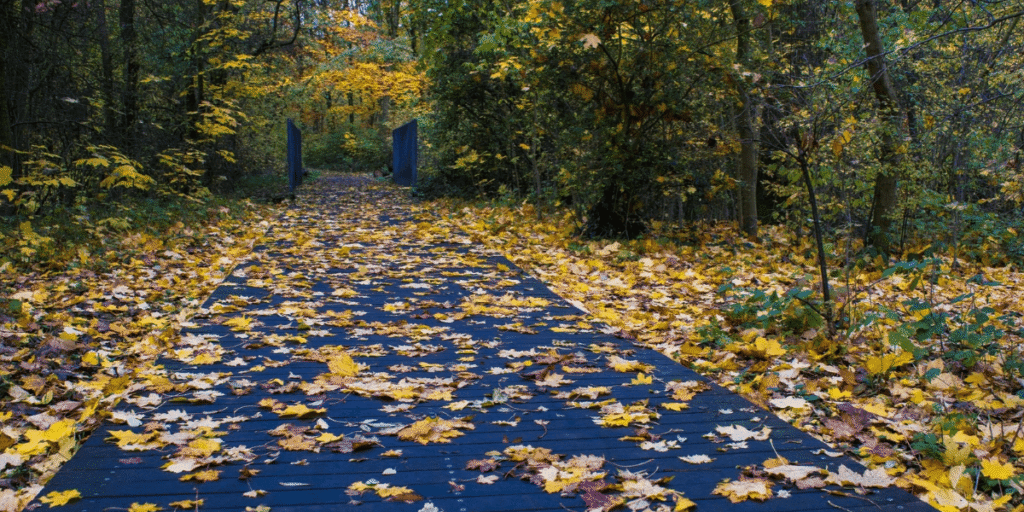
As summer heat fades, Paris brings crisp air and a slower, more thoughtful pace. Visitors can explore comfortably without peak summer temperatures.
September and October as a sweet spot for Paris travel
Many travelers consider September and October the ideal time to visit. The paris weather stays mild and pleasant, perfect for walks through the Tuileries Garden or beside the Seine.
Temperatures, changing daylight, and typical rainfall
During these months, the paris climate brings cooler mornings and comfortable afternoons. Daylight shortens, but golden light creates a beautiful backdrop for photography. Expect occasional light rain, so pack a stylish umbrella for your itinerary.
November in Paris for museums, cafés, and lower prices
In November, Paris takes on a cozy, thoughtful mood. Visit world-class museums like the Louvre or the Musée d’Orsay to escape the chill. The paris tourist season also slows, bringing shorter lines and more space in popular local cafés.
Autumn events, exhibitions, fashion, and food experiences
Autumn brings lively cultural events to Paris. New art exhibitions and seasonal dishes showcase French harvest traditions.
Wine season, cultural programming, and Paris Fashion Week considerations
Food lovers can enjoy peak wine season, with many bistros offering special menus. Paris Fashion Week often brings energy and higher hotel demand in early autumn, while the paris climate stays inviting for high-end culture. Check event dates early to secure your preferred accommodations.
How autumn crowds and costs compare with spring and summer
Compared with the paris tourist season peak in July and August, autumn feels much more relaxed. You will usually find fewer crowds at major landmarks, creating a closer connection with the city. Hotel rates also often become more competitive, offering strong value for a memorable trip.
Winter in Paris: Festive charm, fewer visitors, and shorter days

Winter in Paris becomes a cozy, festive retreat for travelers who can handle some cold. The city is famous for spring blossoms, but colder months create an intimate atmosphere many travelers enjoy.
What to expect from Paris weather between December and February
Understanding local conditions helps you plan a comfortable trip. The paris climate stays crisp and cool, so wear layers while exploring the streets.
Cold temperatures, rain, occasional snow, and limited daylight
Expect chilly days, with temperatures often just above freezing. Heavy snow is rare, but light rain is common, and shorter days bring earlier city lights. Check the paris weather forecast before packing for damp or windy afternoons.
Why winter can be the ideal time for museums and indoor attractions
Unpredictable weather makes winter ideal for exploring the city’s world-class indoor culture. Spend hours in the Louvre or Musée d’Orsay without summer heat or massive crowds.
Christmas markets, holiday lights, and New Year’s celebrations
During the holidays, sparkling lights brighten the city’s boulevards. Christmas markets offer local treats and crafts, while New Year’s Eve brings energy to streets and restaurants.
Seasonal opening hours and advance booking considerations
Some venues change their schedules during the holidays. Check opening times for major landmarks and restaurants in advance to avoid disappointment. Booking your tickets online remains smart, even during quieter months.
January and February bargains for budget-conscious travelers
For travelers seeking off-peak travel in paris, the period after the holidays is a hidden gem. Hotel rates often drop significantly, making luxury accommodations more affordable.
Balancing lower prices with closures and reduced operating hours
Some small businesses and boutique shops may take their annual break during this period. This off-peak travel in paris approach requires flexibility but offers a more authentic, peaceful city experience.
Best months to visit Paris for specific travel experiences
Whether you want sunny café terraces or quiet museum halls, timing can shape a successful Paris getaway. Because Paris changes throughout the year, your goals can help you choose the best time to visit Paris.
Best months for pleasant weather and outdoor sightseeing
For clear skies and walks through historic neighborhoods, visit in May, June, or September. These months bring comfortable temperatures for exploring landmarks like the Eiffel Tower and Luxembourg Gardens on foot. The ideal time to visit Paris for outdoor fans is spring bloom or early autumn light.
Best months for avoiding crowds and long lines
For a quieter visit, consider January, February, or November. Major tourist sites are less crowded then, so you can explore at a relaxed pace. These months also reduce waits at popular attractions.
Best months for lower prices and off-peak travel in Paris
Budget-conscious visitors often find that off-peak travel in Paris offers the best value. Hotel rates and airfare are usually lowest during winter, except during the holiday season. During these slower months, luxury accommodations may cost a fraction of the usual price.
Best months for gardens, river cruises, and café terraces
For a classic Parisian lifestyle, late spring and early summer are hard to beat. From May through July, parks are vibrant, and Seine river cruises shine in warm evening air. Mild weather and long days make sidewalk café terraces a daily ritual.
Best months for museums, shopping, and cultural events
If you prefer indoor culture, cooler months can be a hidden gem. The Louvre and Musée d’Orsay offer shelter from the chill, while January sales bring great shopping. Autumn also brings fashion events and food festivals, making it an ideal time to visit Paris for the city’s sophisticated cultural scene.
Ultimately, off-peak travel in Paris offers a different but equally rewarding view than busy summer months. By matching your schedule to your interests, you can tailor the trip to your preferences.
How Paris weather and crowds vary by month
Each month in Paris has a different feel, from quiet winter mornings to busy summer afternoons. These changes help you match your travel plans with the city’s natural rhythm. Viewing the year in two-month periods helps you plan for each local mood.
January and February: The quietest period for many attractions
Winter brings cold, gray paris weather, which keeps many casual tourists away. Visit then to avoid long lines at major museums, including the Louvre. The paris tourist season is at its lowest, creating a calm experience for visitors who accept the chill.
March and April: Early spring changes and unpredictable conditions
Spring brings sunshine and sudden rain showers. The paris climate starts to warm, but pack an umbrella and layers. The city begins to bloom, while visitor numbers stay manageable before summer.
May and June: Increasing warmth, events, and visitor numbers
Longer days bring outdoor festivals and lively café culture. Pleasant weather makes this period popular for walking tours and garden visits. Crowds steadily grow as the peak travel season in paris begins.
July and August: Busiest weeks and summer operating patterns
These months mark the height of the paris tourist season, with warm temperatures and lively streets. Many locals leave for vacation, but international visitors still fill the city. You should book your accommodations and tickets well in advance to handle high demand during this busy period.
September and October: Reliable sightseeing conditions and shoulder-season value
Many travelers see this as France’s best time to visit. The paris climate is mild and comfortable for walking through neighborhoods without summer’s intense heat. You can enjoy calmer streets, cultural events, and exhibitions across the city.
November and December: Cooler days, holiday activity, and seasonal trade-offs
As the year ends, holiday lights and traditional markets create a festive mood. Days are shorter and cooler, but the season has a special charm. Early November offers a great balance of lower prices, but holiday demand surges in December.
Paris travel tips for choosing dates, neighborhoods, and activities
Whether you are new or experienced, these paris travel tips help you navigate the city with ease. A successful trip balances excitement with practical planning. Prepare early to avoid common problems and enjoy local culture.
Book flights, hotels, and timed-entry tickets for the season
Booking early is central to effective paris vacation planning. Popular dates may sell out months ahead, especially during spring and summer. Reserve flights and accommodations after confirming your travel dates.
When to reserve the Eiffel Tower, Louvre Museum, and popular restaurants
For landmarks like the Eiffel Tower and Louvre Museum, timed-entry tickets are essential for avoiding long waits. Book them two to three months before departure. For a specific bistro or Michelin-starred restaurant, reserve online when its booking window opens.
Choose the best Paris neighborhood for your travel style
Your neighborhood choice shapes your daily experience in Paris. A central location saves time, while a quieter district offers a local feel. Consider your priorities before booking a hotel.
Areas for first-time visitors, nightlife, romance, and quieter stays
First-time visitors often choose the 1st or 4th arrondissements near major sites, while nightlife fans enjoy the Marais or 11th. Romance seekers can enjoy Montmartre’s charming streets and classic atmosphere. The 7th arrondissement suits quieter, more residential stays.
Build a flexible itinerary around rain, heat, and attraction closures
Even careful paris vacation planning can face bad weather or sudden museum closures. Keep indoor options for rainy days and shaded places for hot afternoons. Check official websites each morning for holiday hours or strike notices.
Pack for changing conditions throughout the year
French weather can be unpredictable, so pack versatile items. Preparing for temperature changes will keep you comfortable throughout your journey. Choose items with several uses to keep your luggage light and manageable.
Layering, comfortable shoes, umbrellas, and seasonal essentials
Layering is the golden rule for Paris because it helps you adjust throughout the day. You may walk several miles daily, so bring broken-in, comfortable shoes. Carry a compact umbrella and light scarf; these paris travel tips help you stay dry and stylish despite forecasts.
When to visit Paris for different types of travelers
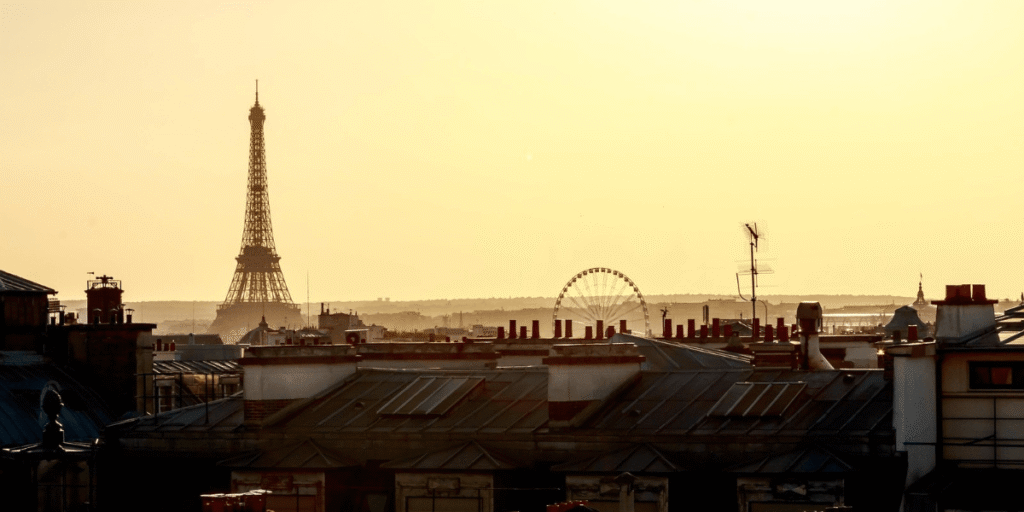
Planning a trip to the City of Light takes more than booking a flight. Match your travel style with seasonal weather and crowd levels. This approach makes your paris vacation planning more memorable.
Best season for first-time visitors
For first visits to the Eiffel Tower or Louvre, the best time to visit paris is spring or early autumn. These shoulder seasons bring mild weather and manageable crowds. Major landmarks are easier to explore without peak summer tourism’s intense pressure.
Best season for couples and romantic getaways
Couples may find the ideal time to visit paris when the city feels most atmospheric. Spring brings blooming gardens and lively café terraces. Autumn offers golden light and cozy walks along the Seine, creating a romantic setting.
Best season for families with children
Families often benefit most from summer visits. Long daylight hours support flexible schedules and sightseeing breaks for children. Predictable weather also makes travel easier with younger family members.
Best season for budget travelers
To save money, consider off-peak travel in paris during winter. January and February bring the lowest hotel rates and fewer tourists at popular museums. Cooler weather leaves more money for luxurious dining or shopping.
Best season for art, history, food, and fashion enthusiasts
Personal interests often shape the best time for your trip. Fashion lovers should target major Fashion Week events in late winter or early autumn. Foodies and history buffs can enjoy exhibitions and seasonal markets throughout the year, making almost any time ideal.
Best season for travelers who prefer a quieter Paris
Travelers seeking solitude should avoid peak summer and major holidays. Late November or early February offers a slower pace. Visitors can enjoy a more authentic local atmosphere while exploring hidden gems.
Conclusion
Paris has a unique charm in every month. The best time to visit paris depends on your travel style and your plans in the City of Light.
Spring and autumn offer mild weather and manageable crowds for most visitors. Summer suits travelers who love long, sun-drenched days and lively street life. Winter welcomes museum enthusiasts and budget-conscious travelers to a quieter, more intimate French capital.
Effective paris vacation planning can greatly improve your experience. Set goals early to reserve popular spots like the Louvre or the Eiffel Tower. Smart paris travel tips include keeping your daily schedule flexible for changing weather.
The ideal time to visit paris is when you embrace local culture and pace. Pack layers, bring comfortable walking shoes, and prepare to fall in love with France’s magic. Your dream trip awaits, so start organizing your itinerary today.
FAQ
When is the overall best time to visit Paris for balanced weather and crowds?
For most travelers, late spring (April to June) and early fall (September to October) offer the best balance. Paris weather is usually mild and pleasant, ideal for Marais walks or sitting at a sidewalk café. These seasons offer comfortable sightseeing and fewer visitors than the mid-summer rush.
What should I expect during the peak travel season in Paris?
The peak travel season in Paris runs from June through August. You get long daylight hours and outdoor festivals like Bastille Day on July 14. The city is most crowded then, so book flights and timed-entry tickets for the Louvre Museum and Eiffel Tower early.
Is it worth planning a trip during the off-peak travel in Paris?
Absolutely! Off-peak travel in Paris during January and February suits budget-conscious travelers best. The Paris climate is chillier, and days are shorter, but luxury hotels like The Ritz Paris offer their lowest prices. Boutique stays in Saint-Germain-des-Prés also cost less, and major galleries and museums have fewer than usual throngs of tourists.
Which months offer the best Paris weather for outdoor activities like river cruises?
For Bateaux Parisiens river cruises and Tuileries Garden walks, choose May, June, or September. These months bring the most reliable temperatures for outdoor fun. Spring offers cherry blossoms, while September brings a crisp, golden backdrop as leaves change, without July’s intense heat and humidity.
What are some essential Paris travel tips for first-time visitors?
One top Paris travel tip is to book “timed-entry” reservations for busy landmarks, saving hours of waiting. The Paris climate can be unpredictable in any season, so pack layers, a sturdy umbrella, and comfortable walking shoes. A central neighborhood like the 1st or 6th Arrondissement can help you use limited exploring time well.
How does the Paris tourist season affect hotel and restaurant availability?
During the busiest Paris tourist season, especially Paris Fashion Week in late September or Christmas holidays, availability drops sharply. Popular restaurants like Le Comptoir de la Relais may book up weeks ahead. In March or November, the “shoulder” months, tables and rooms with views are easier to find without six-month lead times.
What is the most romantic time of year for a couples’ getaway?
Many couples find spring most romantic, as parks and gardens burst into bloom. December’s festive charm comes close behind. Holiday lights on the Champs-Élysées and cozy traditional Christmas markets create magic for proposals or anniversaries, despite brisk weather.
Are there any specific months to avoid if I want to skip the crowds?
To avoid long lines, bypass July and August, plus weeks around Easter and Christmas. January and February are statistically the quietest months. During busy periods, visit the Musée d’Orsay on weekday mornings or late-night openings for a calmer experience.
What should I know about Paris vacation planning for a family with children?
Summer and late spring suit families: longer days allow breaks at playgrounds, including those in Jardin du Luxembourg. Many museums offer specialized family tours during these busier months. Balance your itinerary with indoor activities for a sudden summer rain shower.
How does the autumn season compare to the spring for cultural events?
Spring is famous for natural beauty, but autumn leads in culture and food. September marks the “rentrée” (the return to school and work), bringing theater, new museum exhibitions, and high-profile Paris Fashion Week. Autumn is also peak wine season, making it ideal for foodies seeking seasonal harvests and specialized tasting events.